Cracking Fraction Division: Why Dividing Makes Numbers Bigger (And How to Teach It)
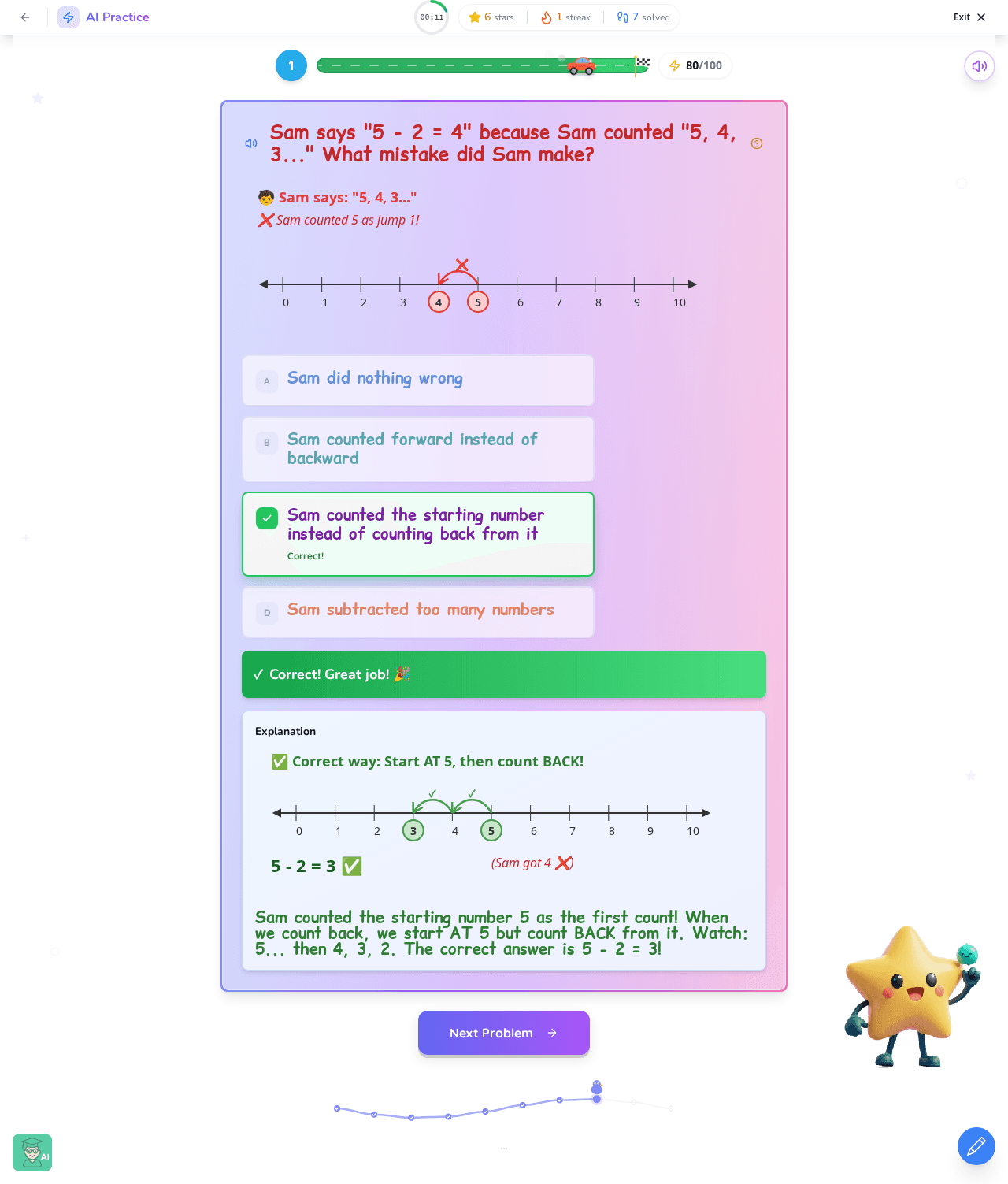
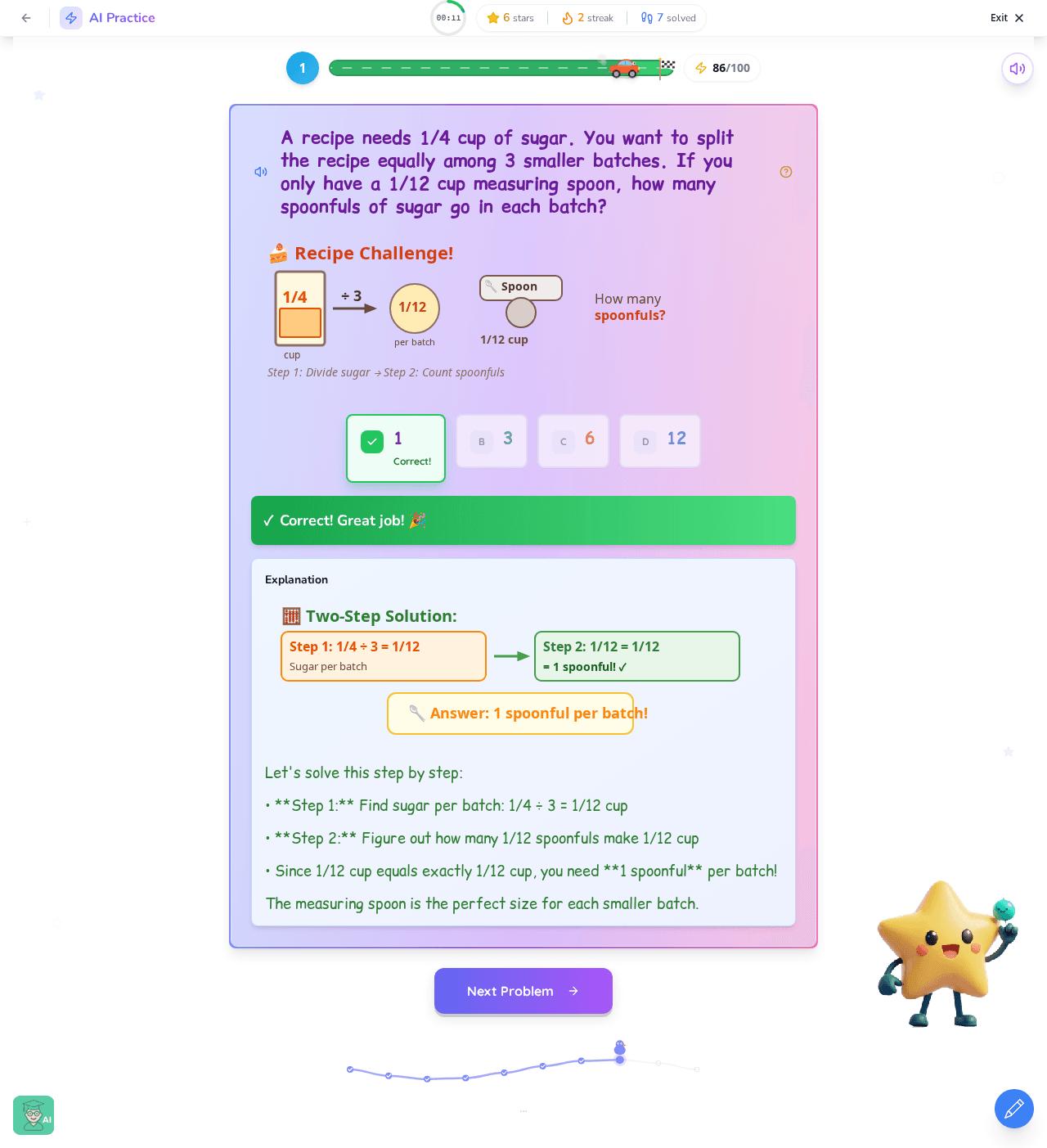
Struggling to explain 5th grade fraction division? Discover why dividing makes numbers bigger and learn simple visual ways to teach your child at home.

Struggling to explain 5th grade fraction division? Discover why dividing makes numbers bigger and learn simple visual ways to teach your child at home.

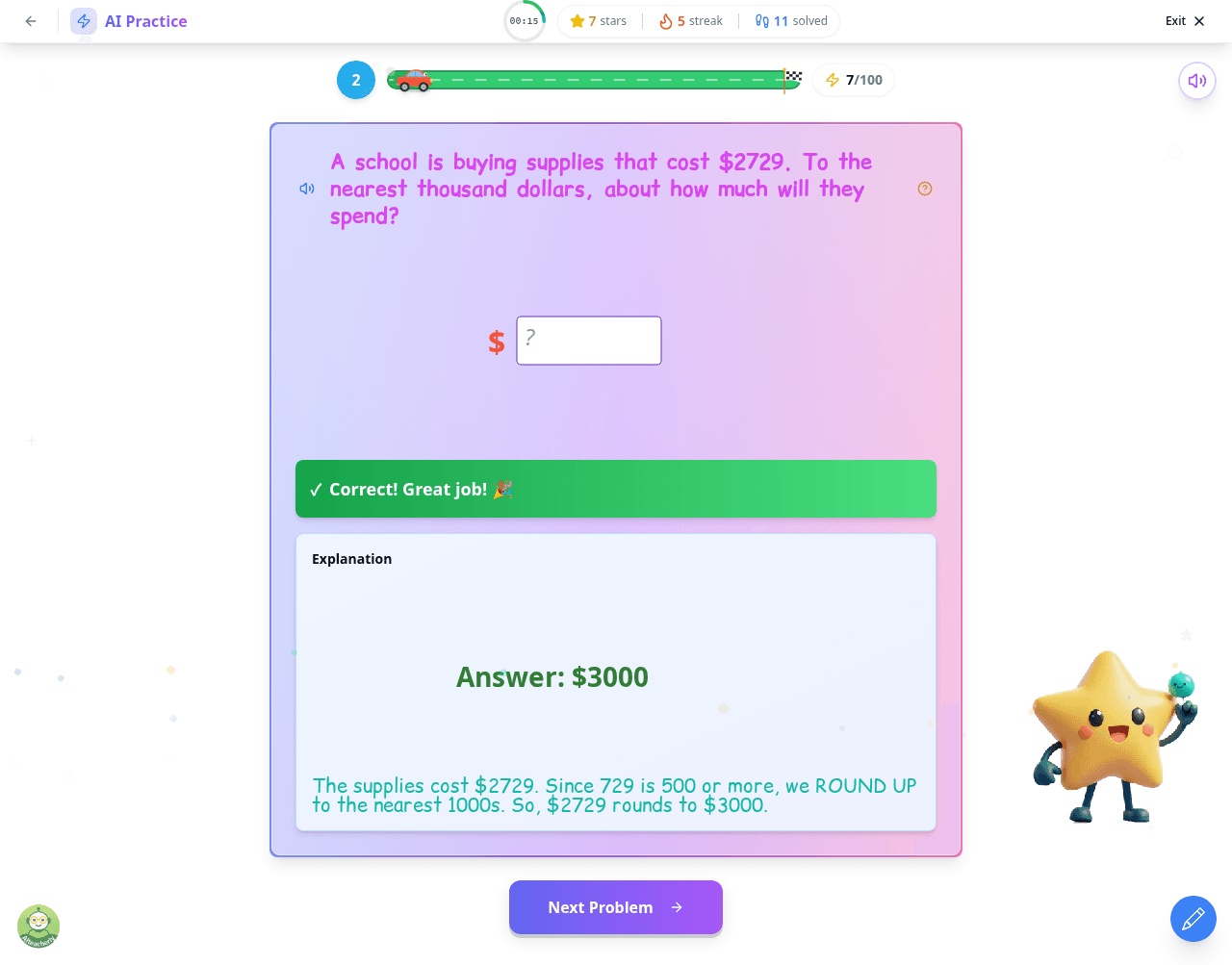
Master 4th-grade rounding! Learn simple, visual ways to teach your child how to round 4-digit numbers to the nearest thousand at home without frustration.

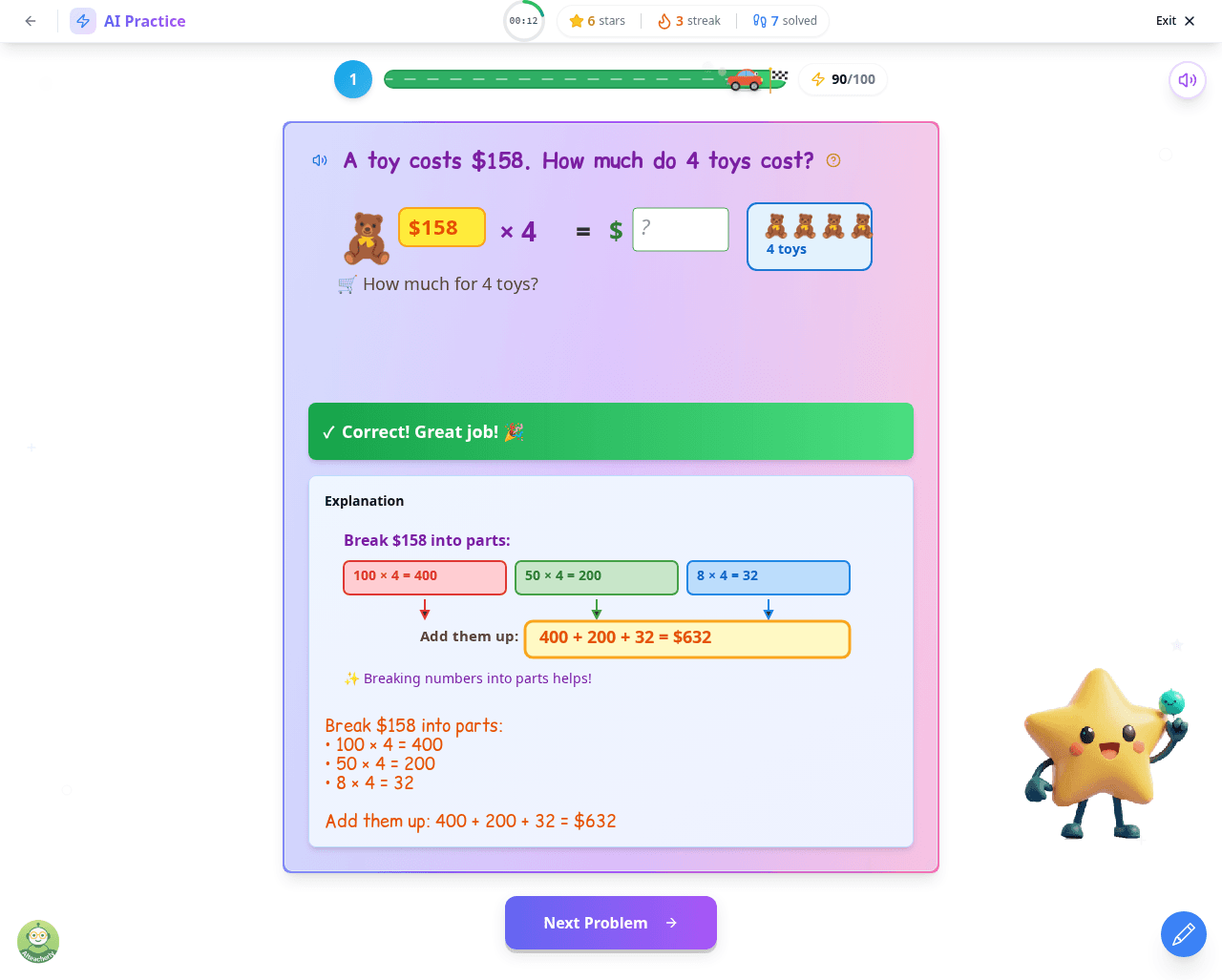
Discover how 3rd graders can master mental multiplication of 3-digit numbers using place-value chunking. Step-by-step guide for parents with practical tips.

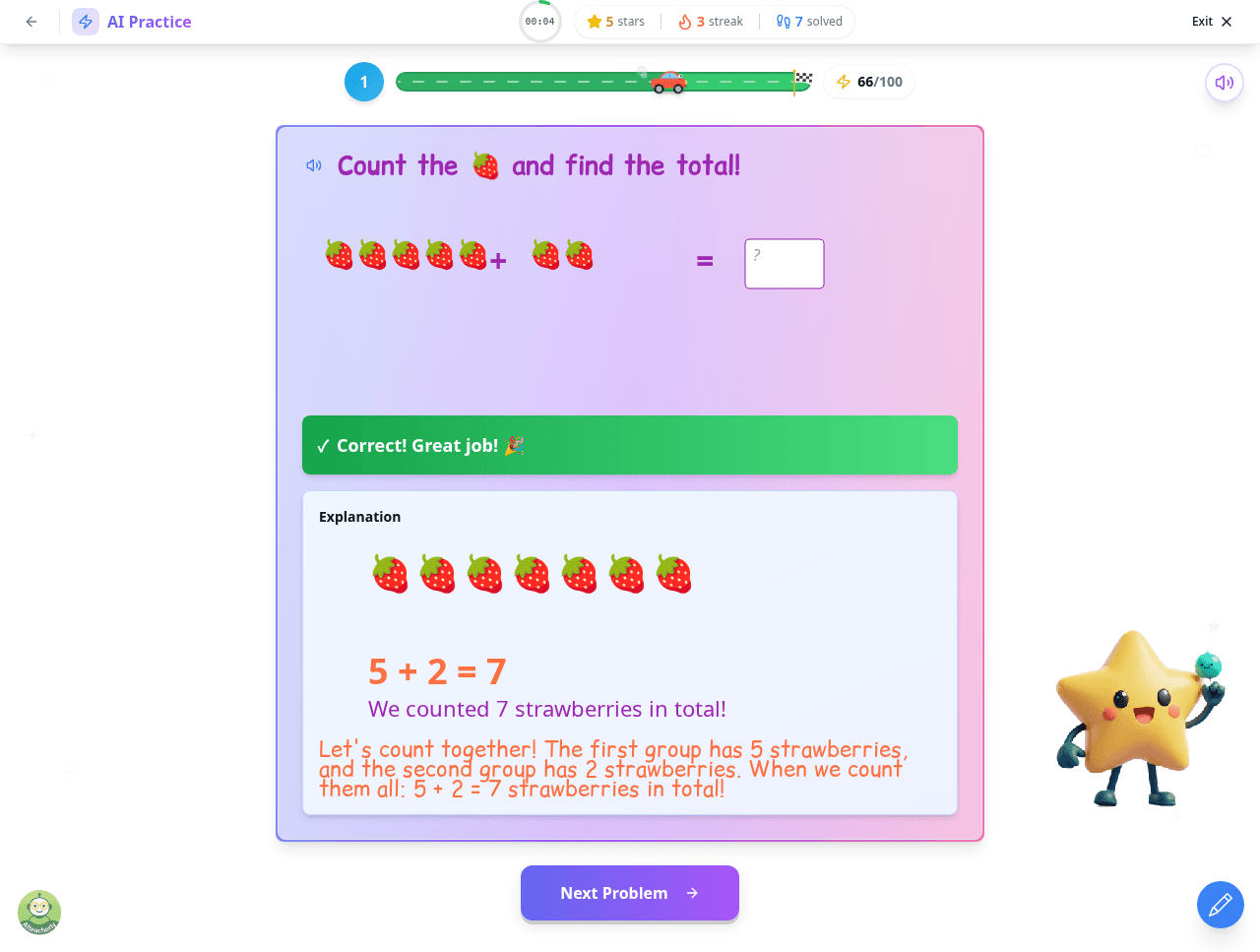
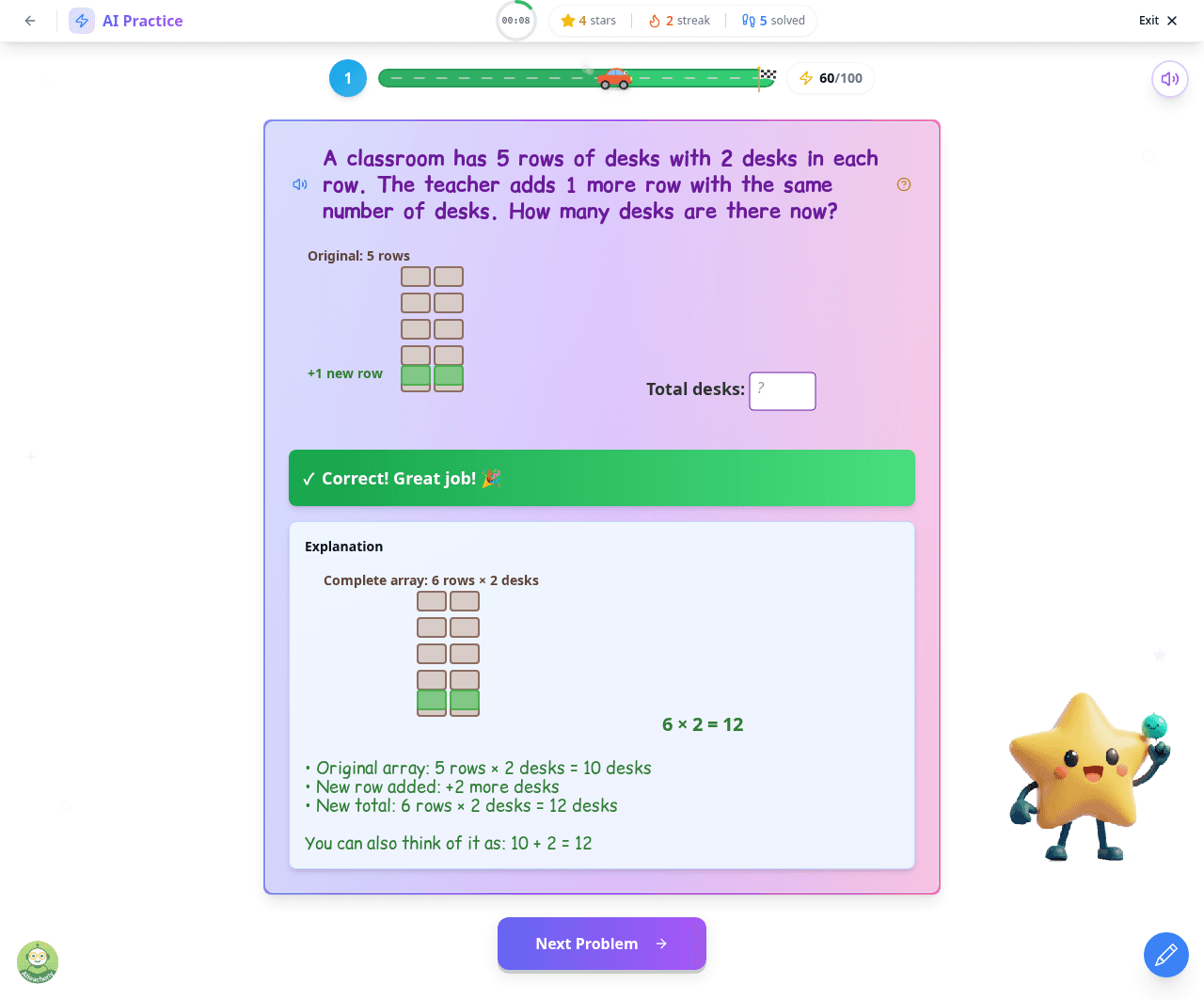
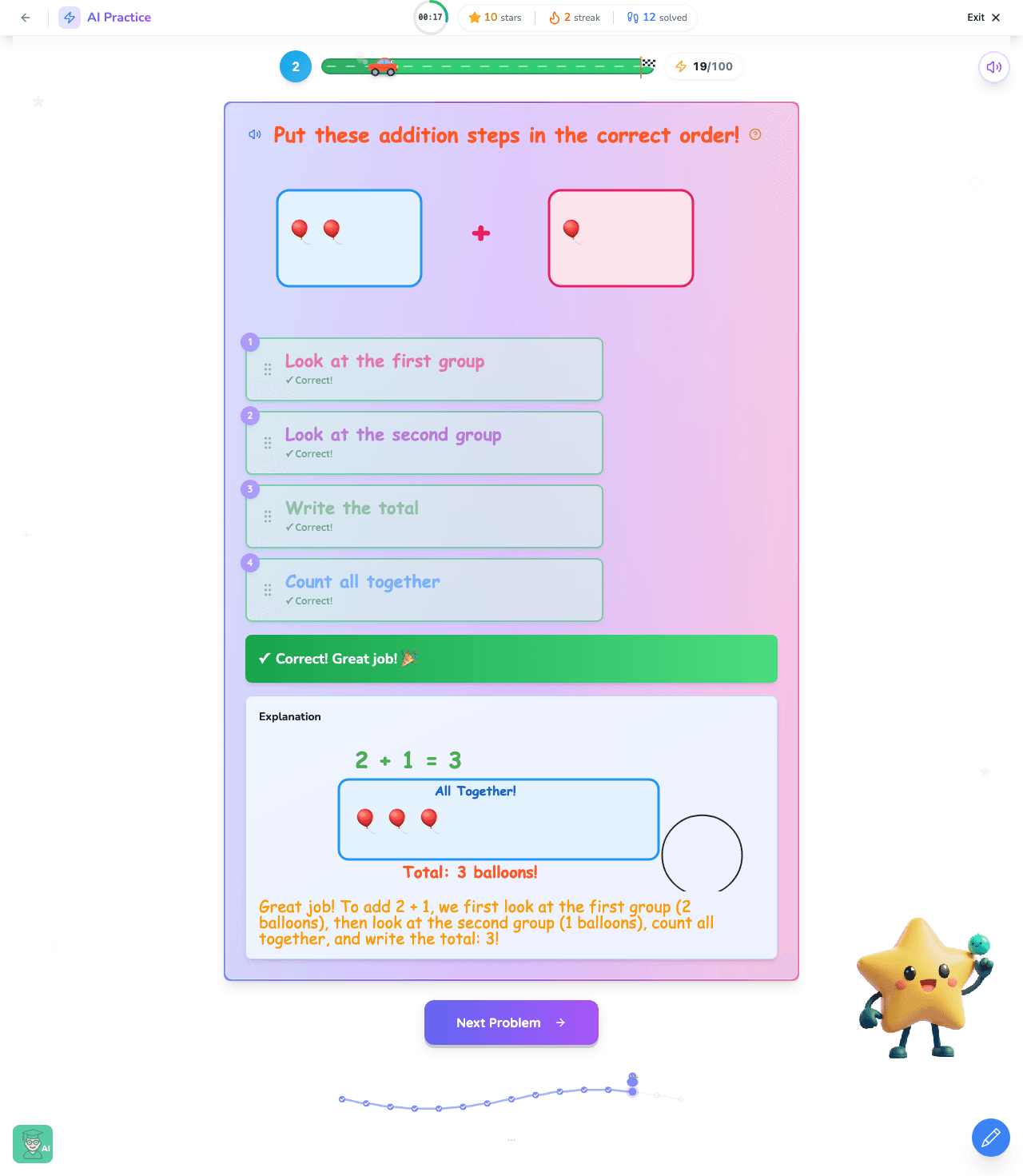
Discover simple, playful ways to teach kindergarten addition at home. Learn how to introduce grouping, plus signs, and basic sums using everyday objects and interactive lessons.

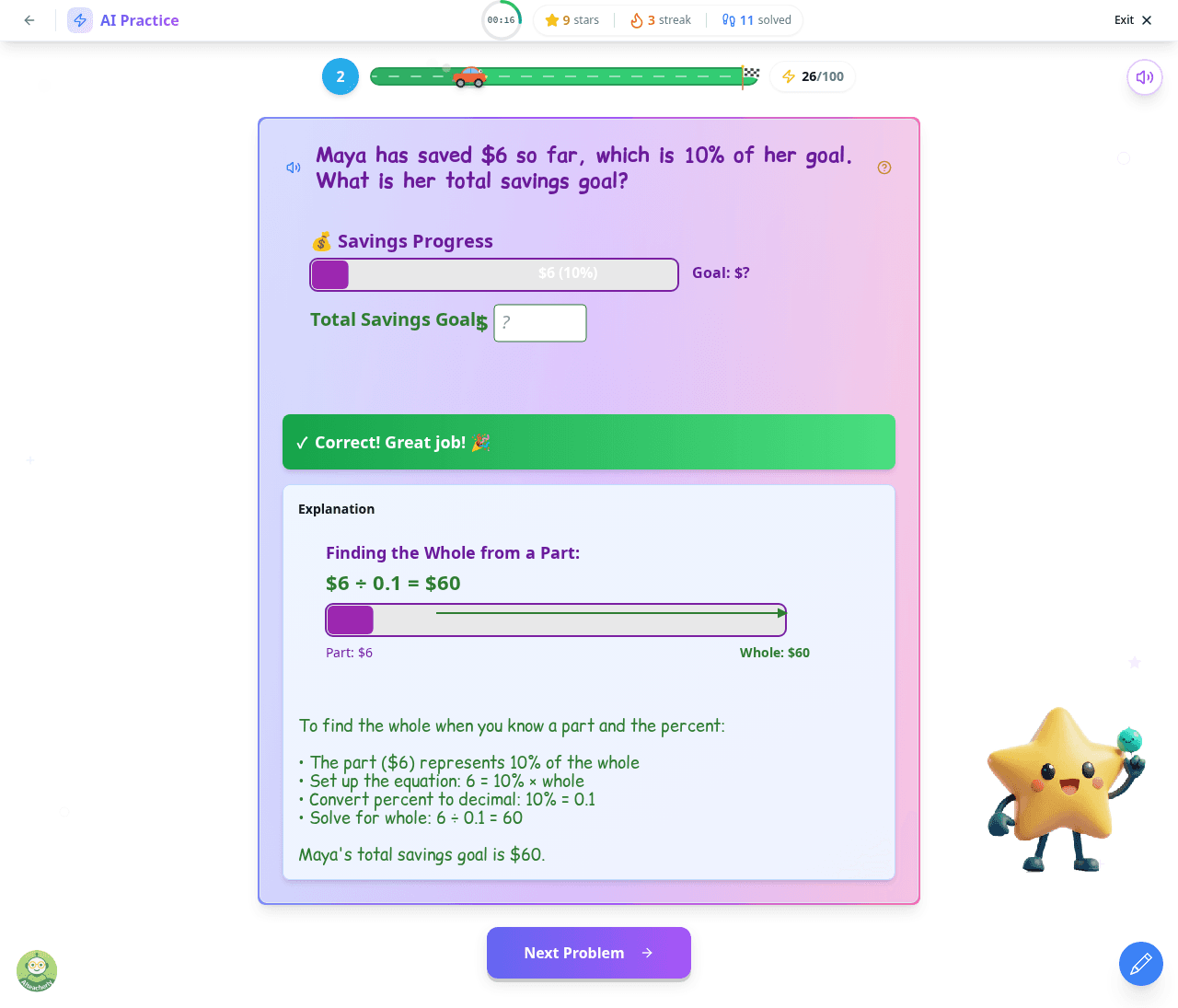
Mastering 6th grade percent relationships doesn't have to cause kitchen table stress. Discover simple formulas and interactive strategies to help your child conquer percents.

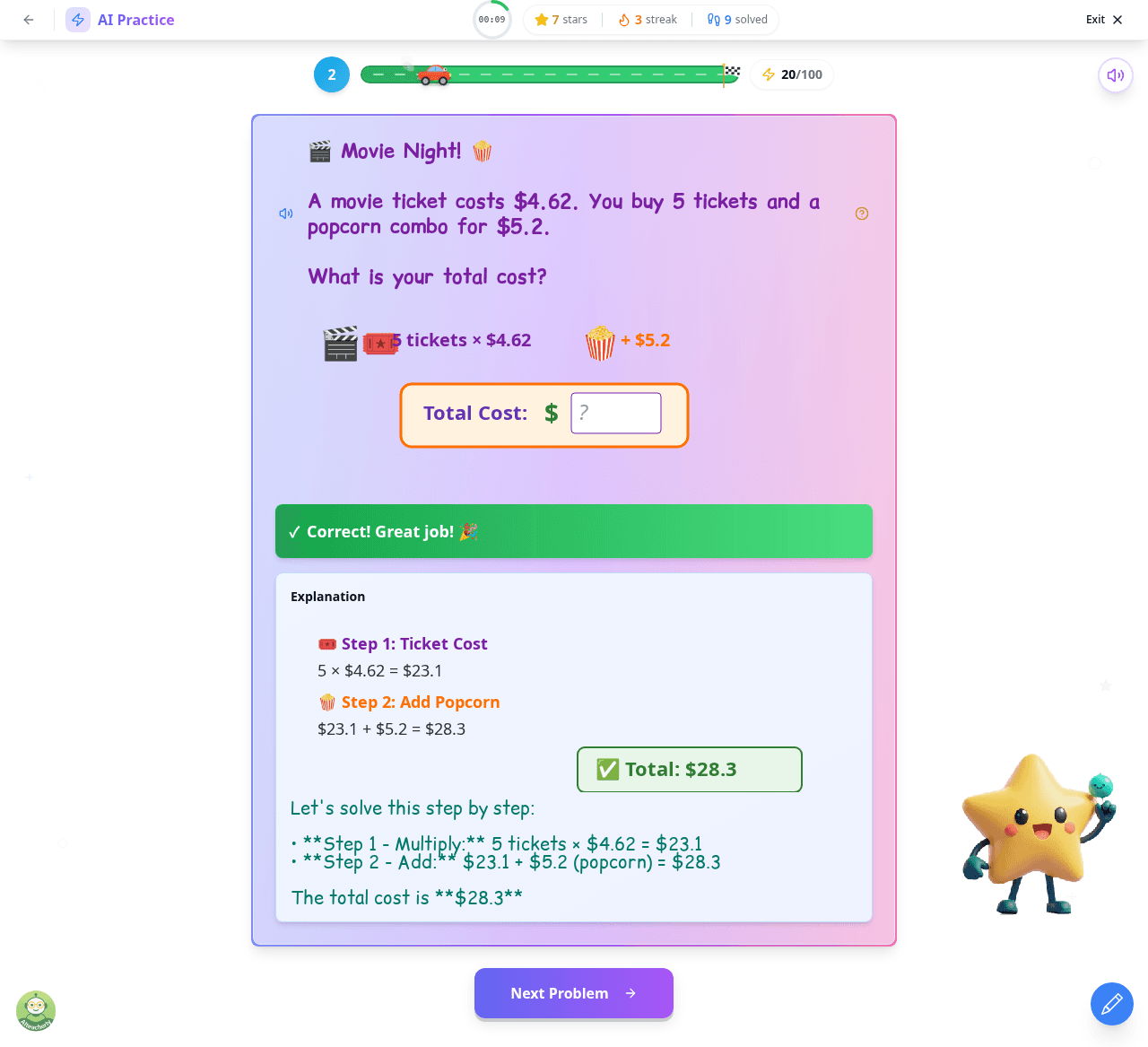
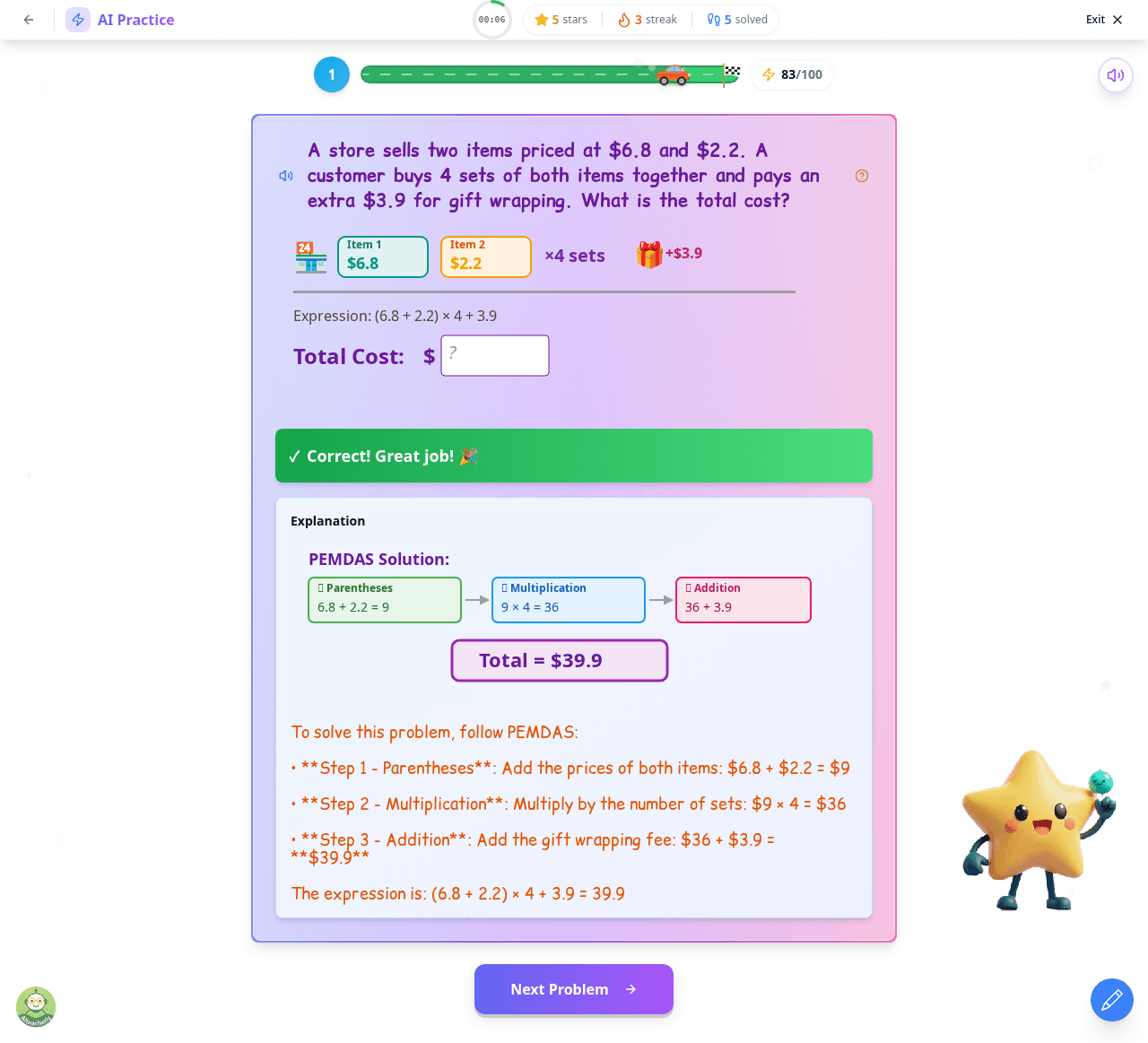
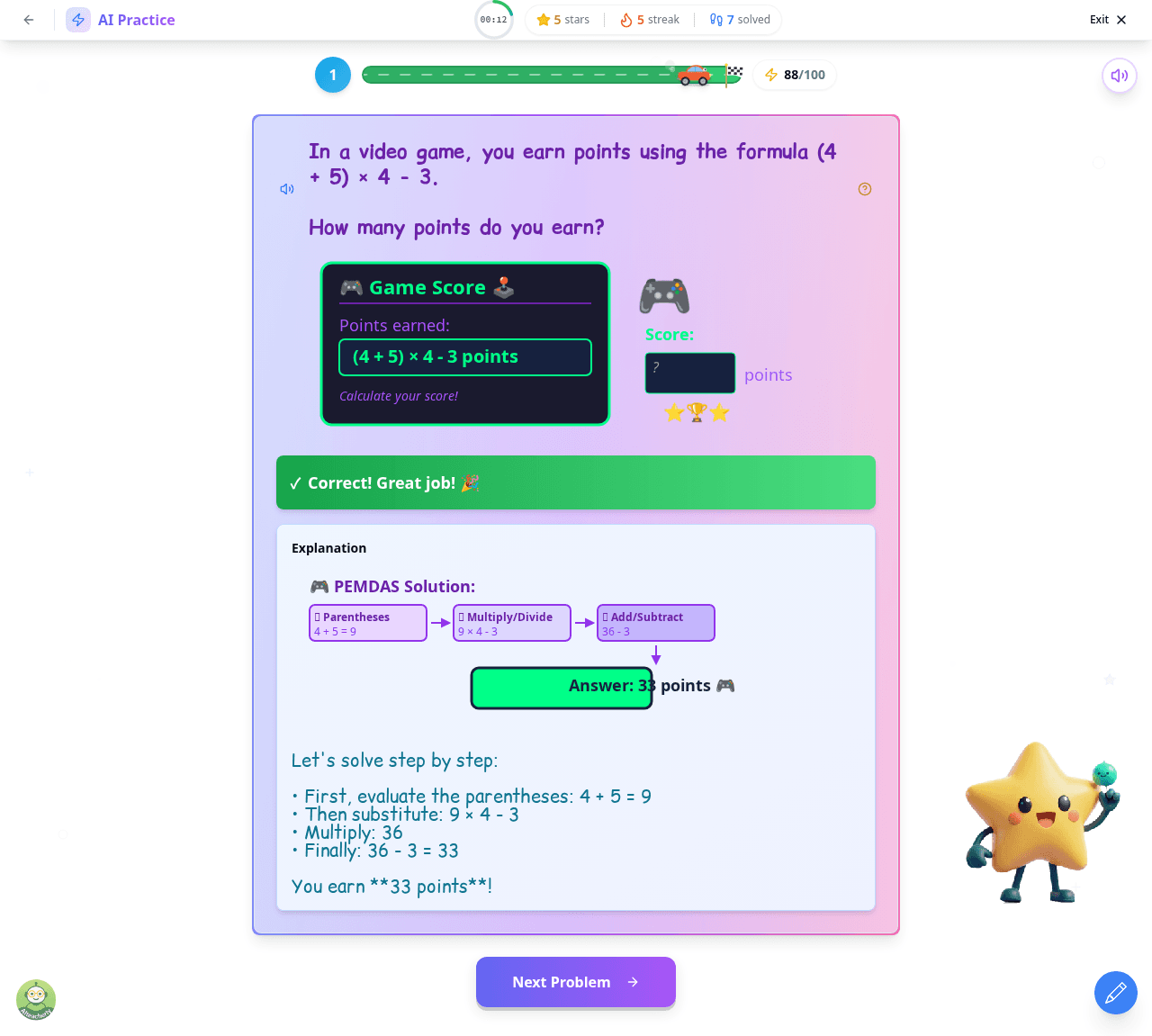
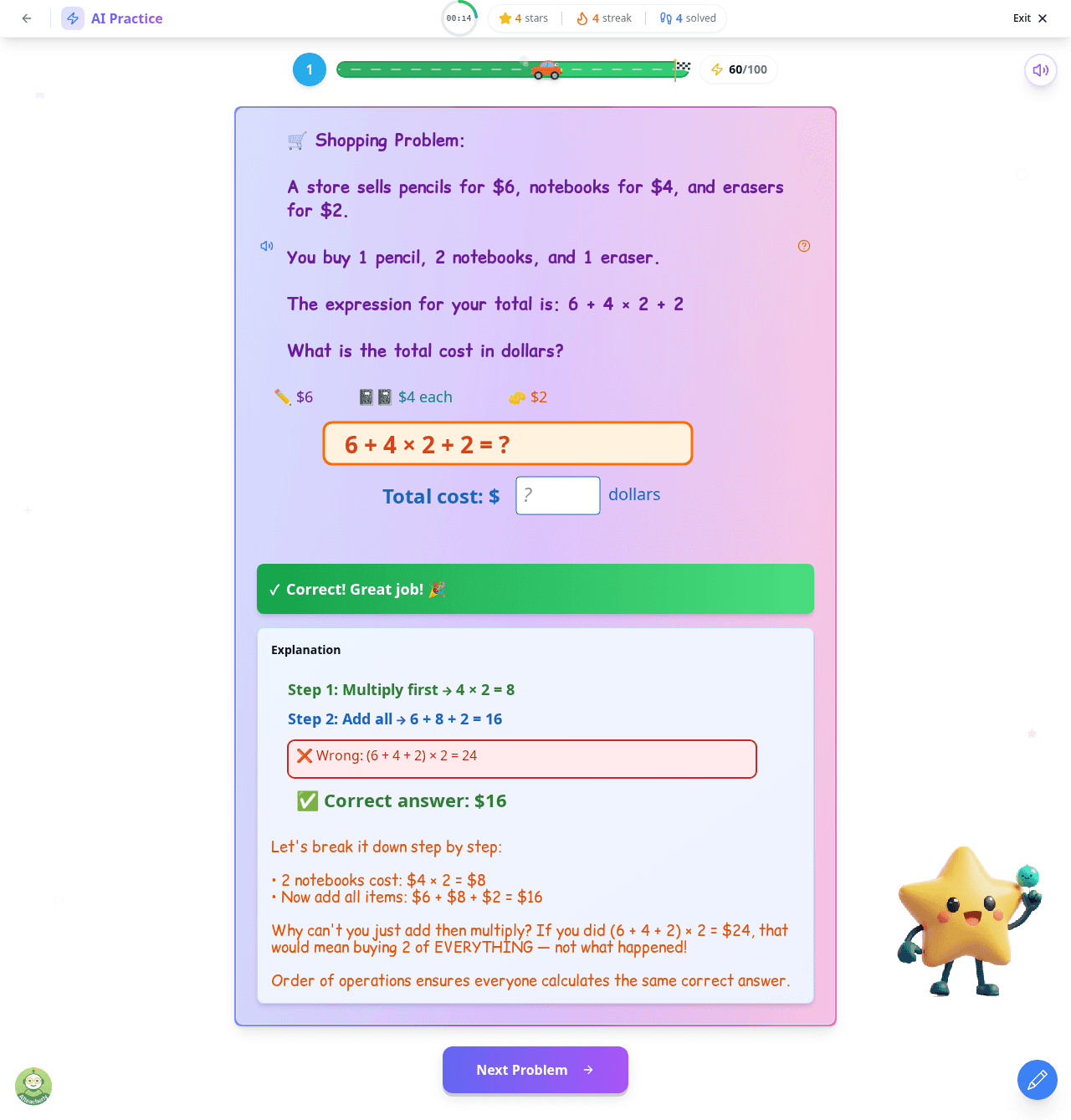
Master 5th grade decimal math at home! Discover easy strategies for tackling mixed operations, PEMDAS, and multi-step word problems without the frustration.

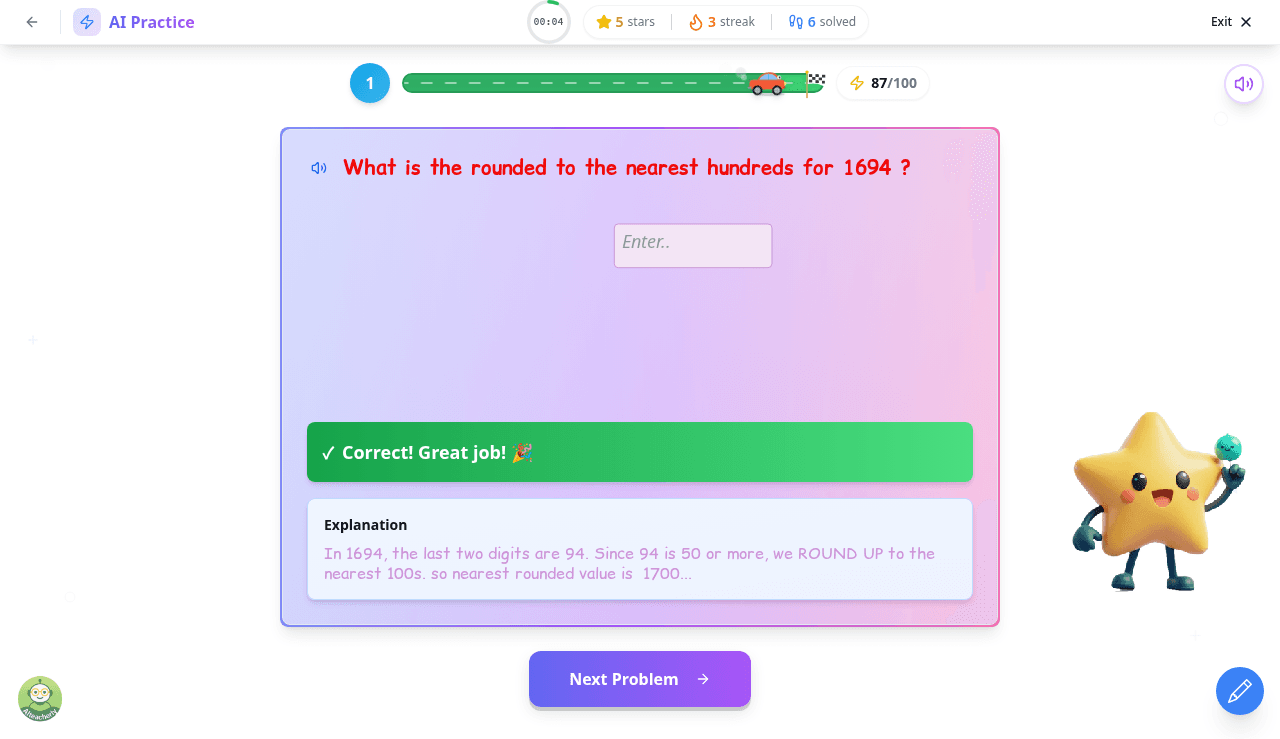
Struggling with 4th grade math homework? Discover how to teach rounding to the nearest hundreds using simple place value strategies and interactive tools without nightly tears.

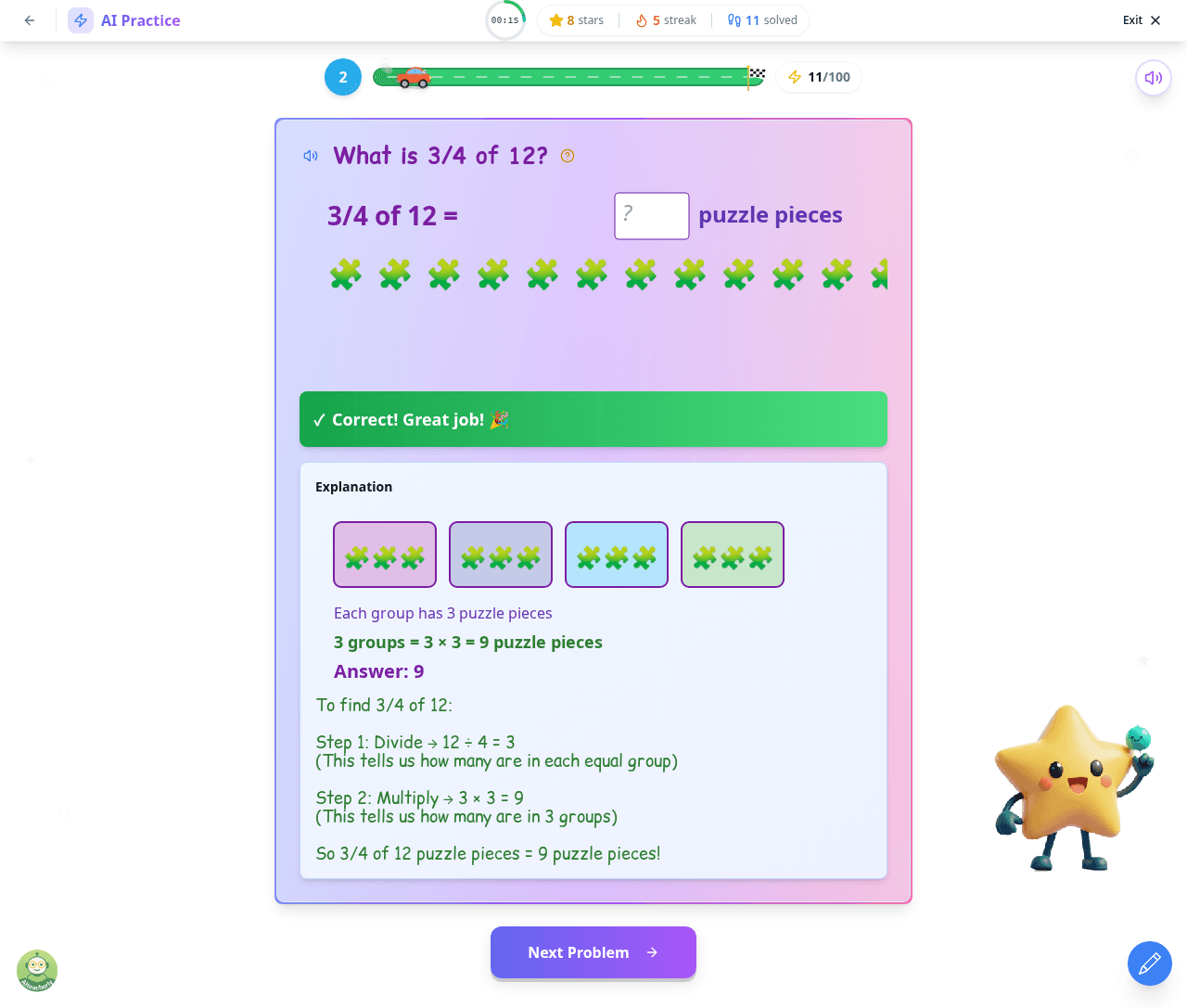
Master fractions of a group 3rd grade math at home with a foolproof two-step strategy. Turn homework battles into confident learning moments today!

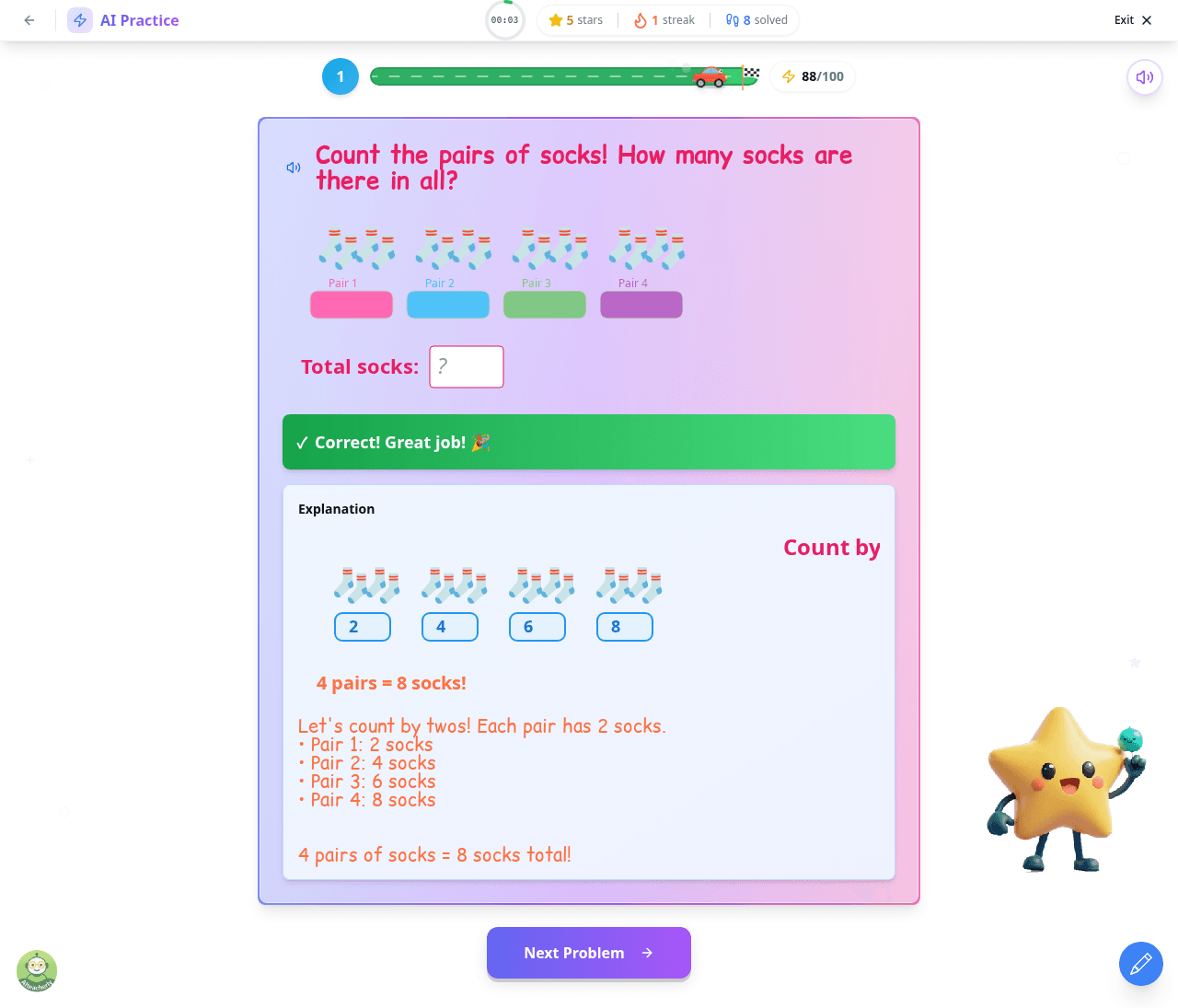
Discover how to effortlessly build 1st-grade number sense by teaching your child to count by twos using everyday household items like socks and shoes.

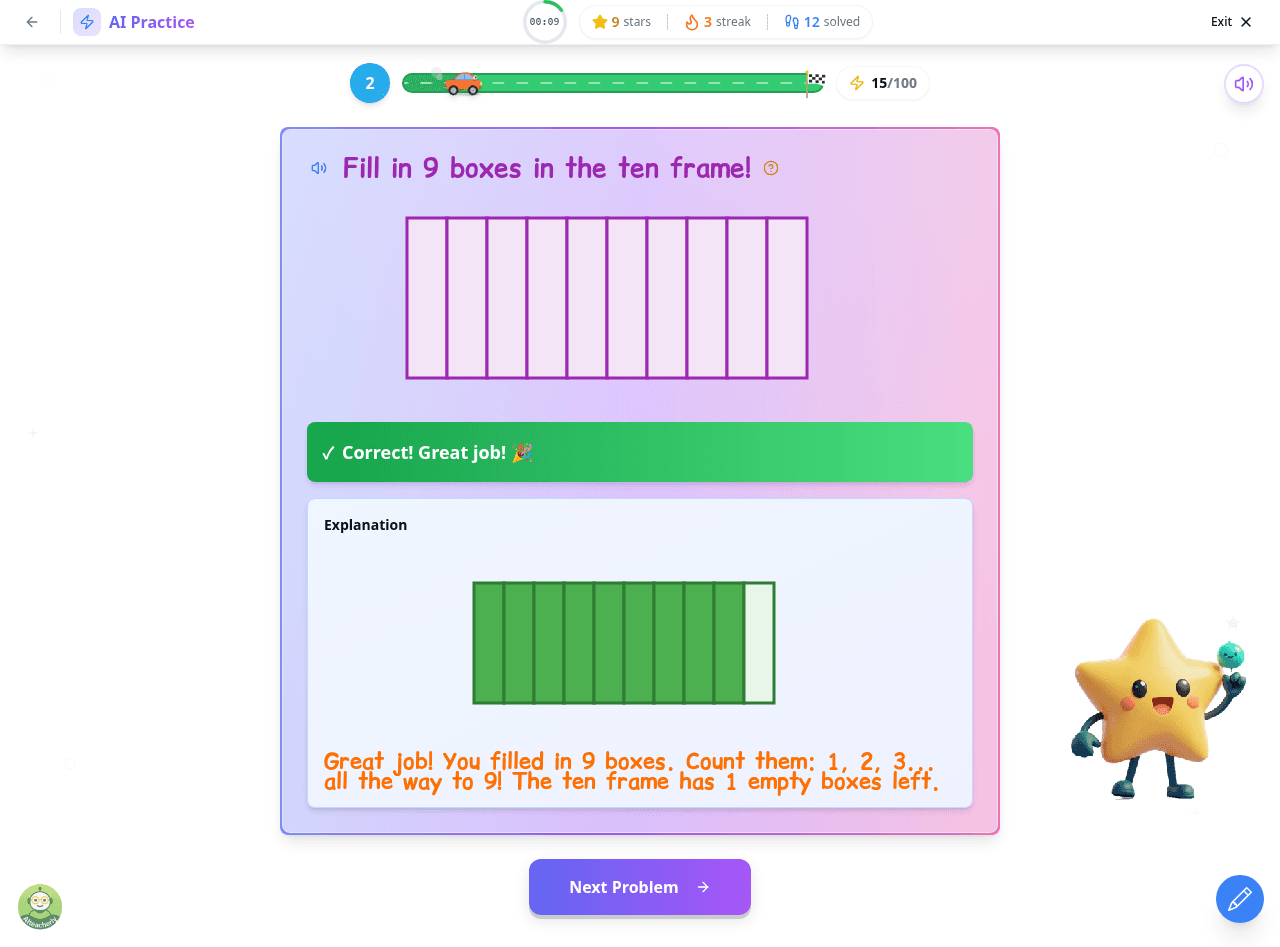
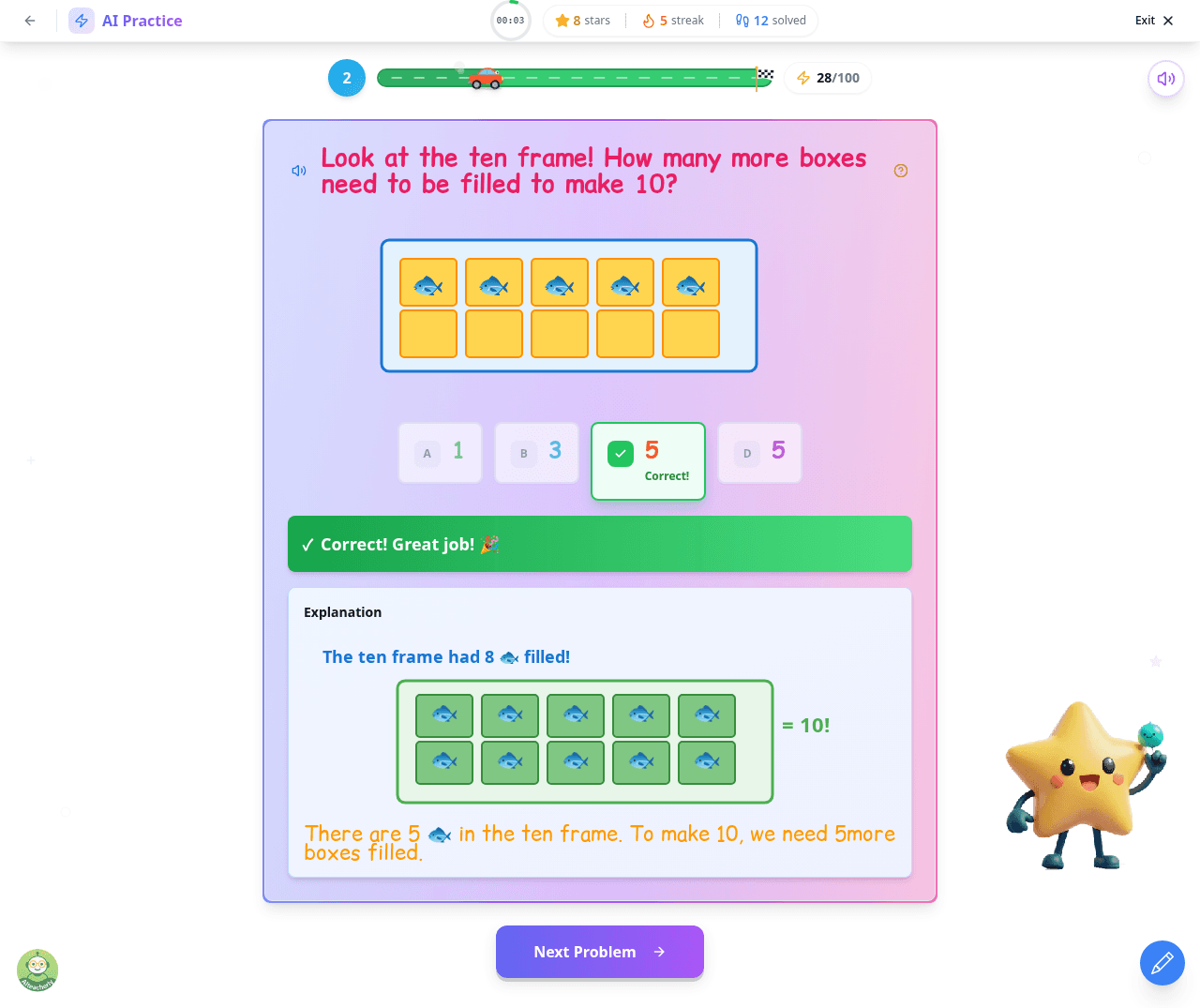
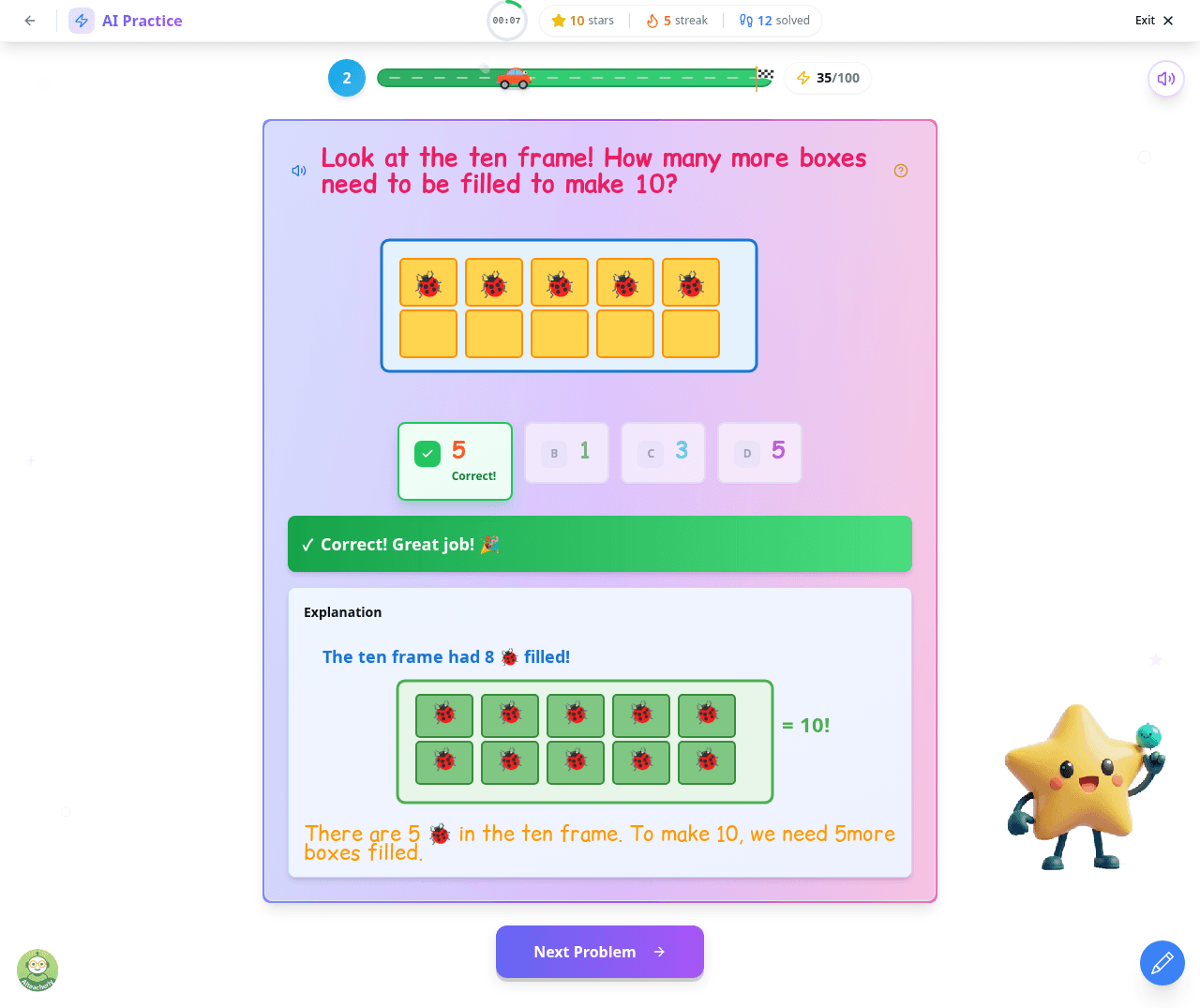
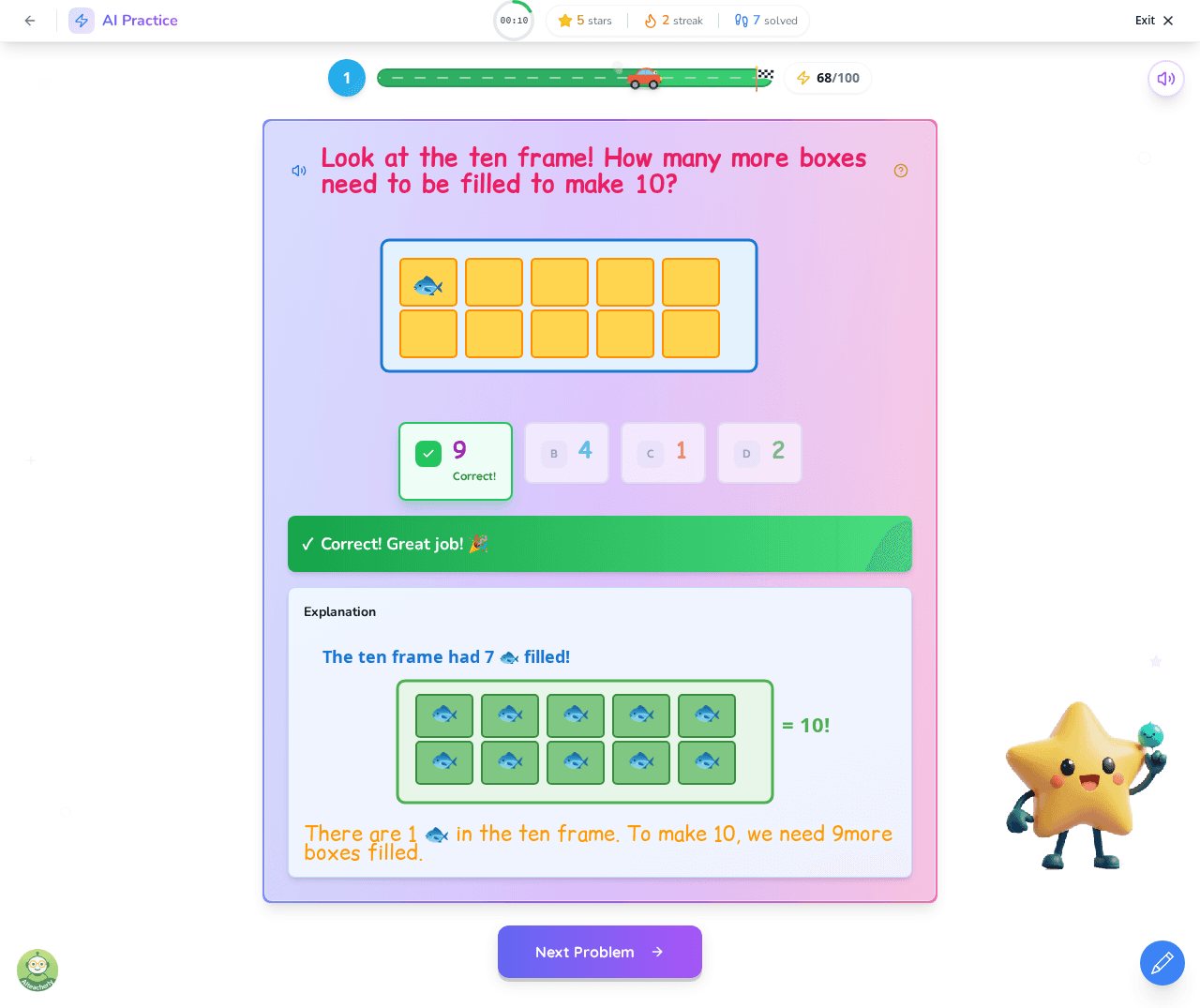
Discover how to teach counting to 10 using ten frames and everyday activities. Master kindergarten number sense with low-stress, interactive home strategies.

Master 6th grade decimal operations and PEMDAS at home. Discover proven strategies, avoid common calculation mistakes, and help your child conquer multi-step math with confidence.

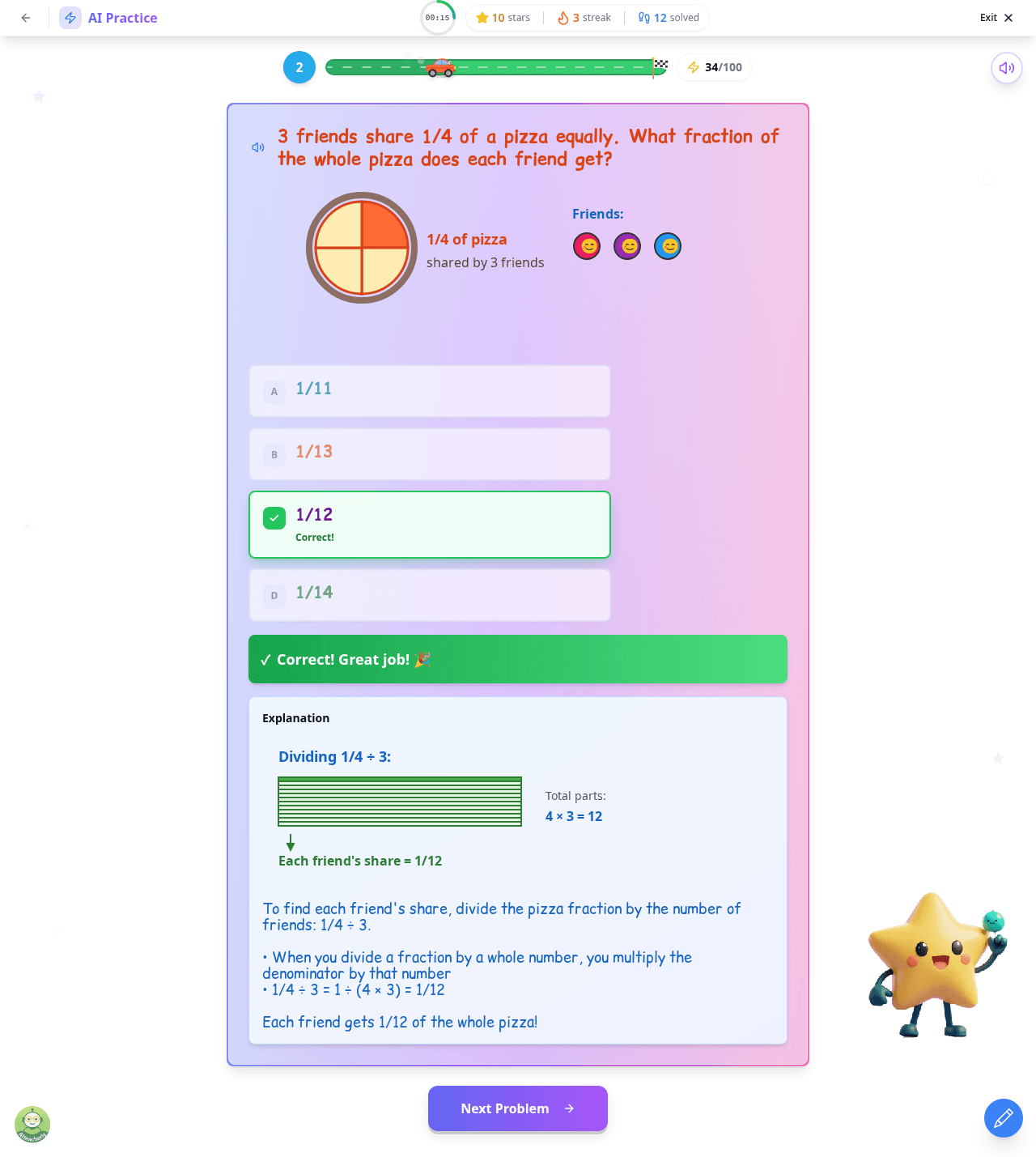
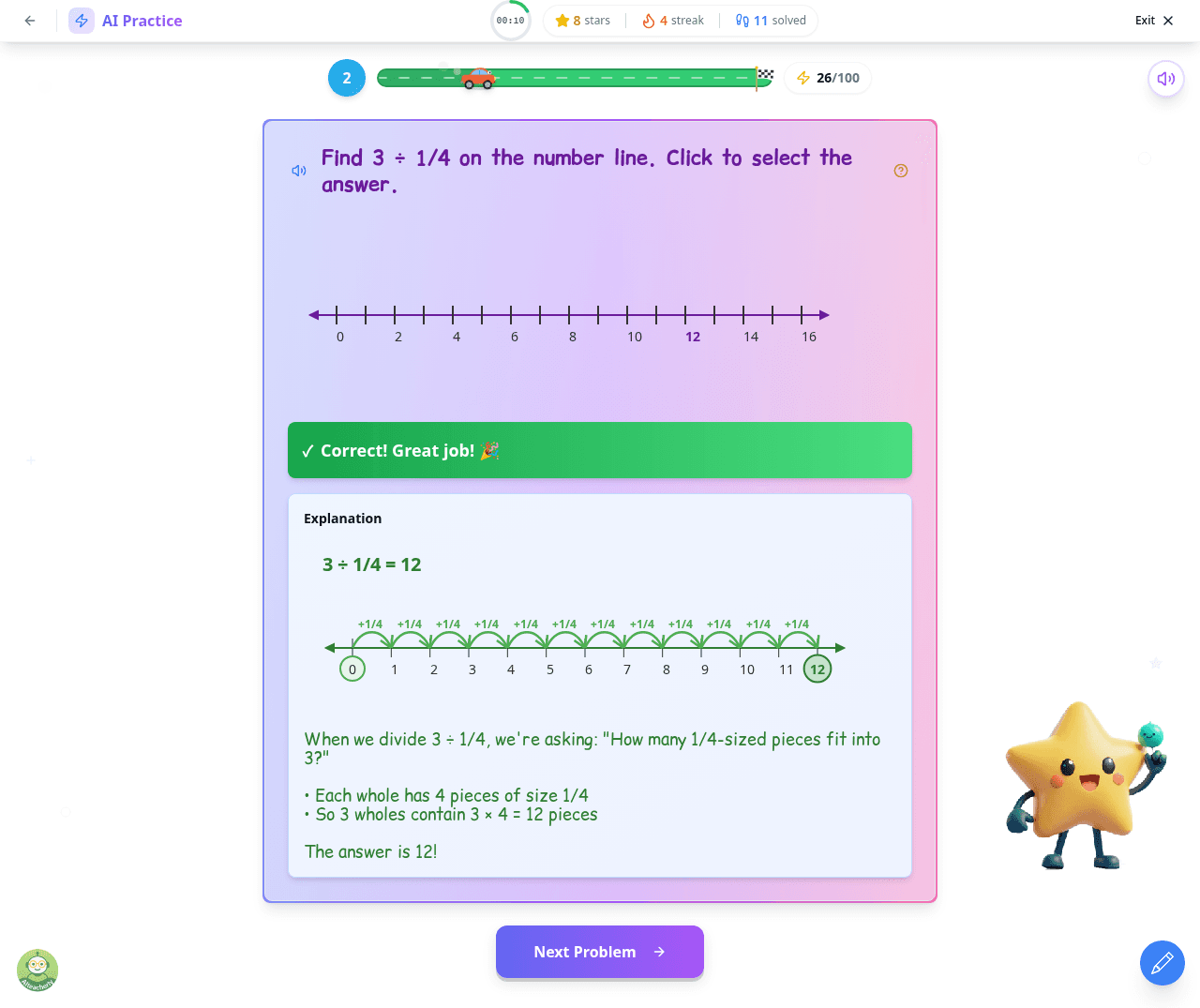
Master 5th-grade fraction division with simple visual models. Discover how to explain why dividing fractions makes numbers bigger without tears or confusing rules.

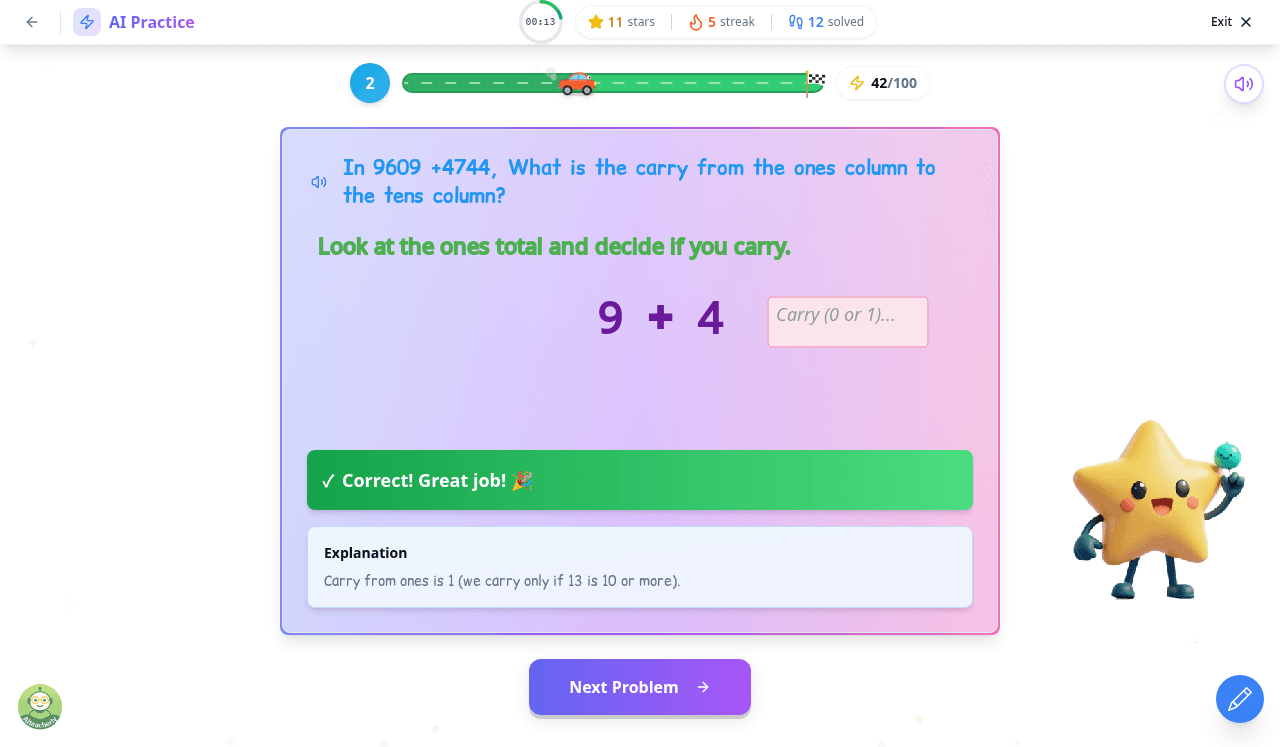
Master 4 digit addition with regrouping! Discover simple parent strategies, step-by-step place value guides, and easy ways to conquer math homework tonight.

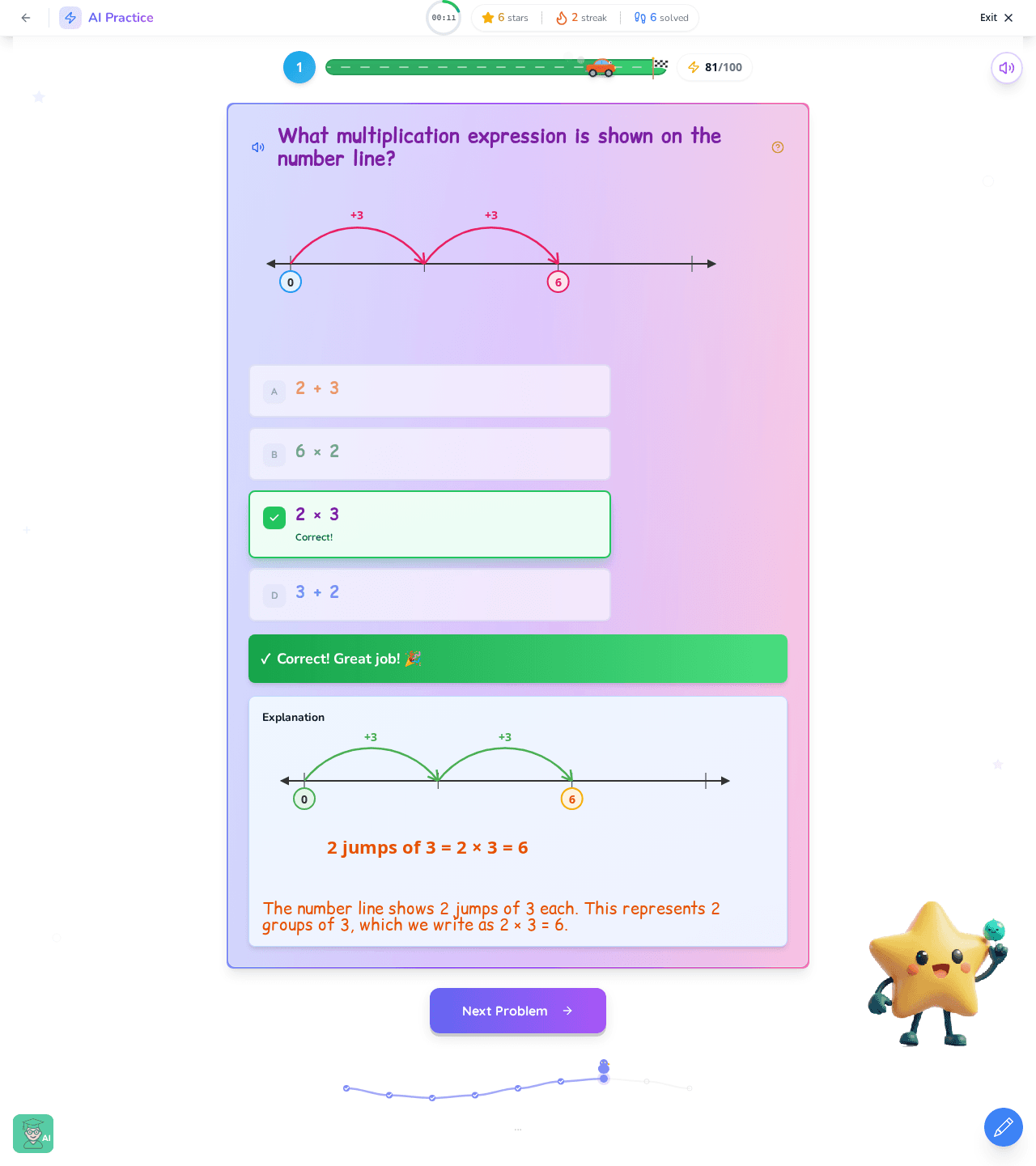
Tired of multiplication flashcards and tears? Discover how number lines and skip-counting turn third-grade math homework into a fun visual game.

Discover stress-free ways to teach place value to your first grader. Learn how base-ten blocks, expanded form, and interactive practice make two-digit numbers click.

Master 6th grade percents at home without the frustration. Learn how to break down percent relationships, find missing parts, and support your child's math confidence.

Mastering 5th grade coordinate planes does not have to be frustrating. Discover fun memory tricks, kitchen table games, and simple strategies to help your child ace ordered pairs.

Discover how to master rounding word problems 4th grade math with a simple 3-step routine. Turn homework struggles into confidence with practical home tips.

Discover simple strategies to conquer 3rd grade multiplication and division word problems at home using fun clue words, detective tricks, and inverse checks.

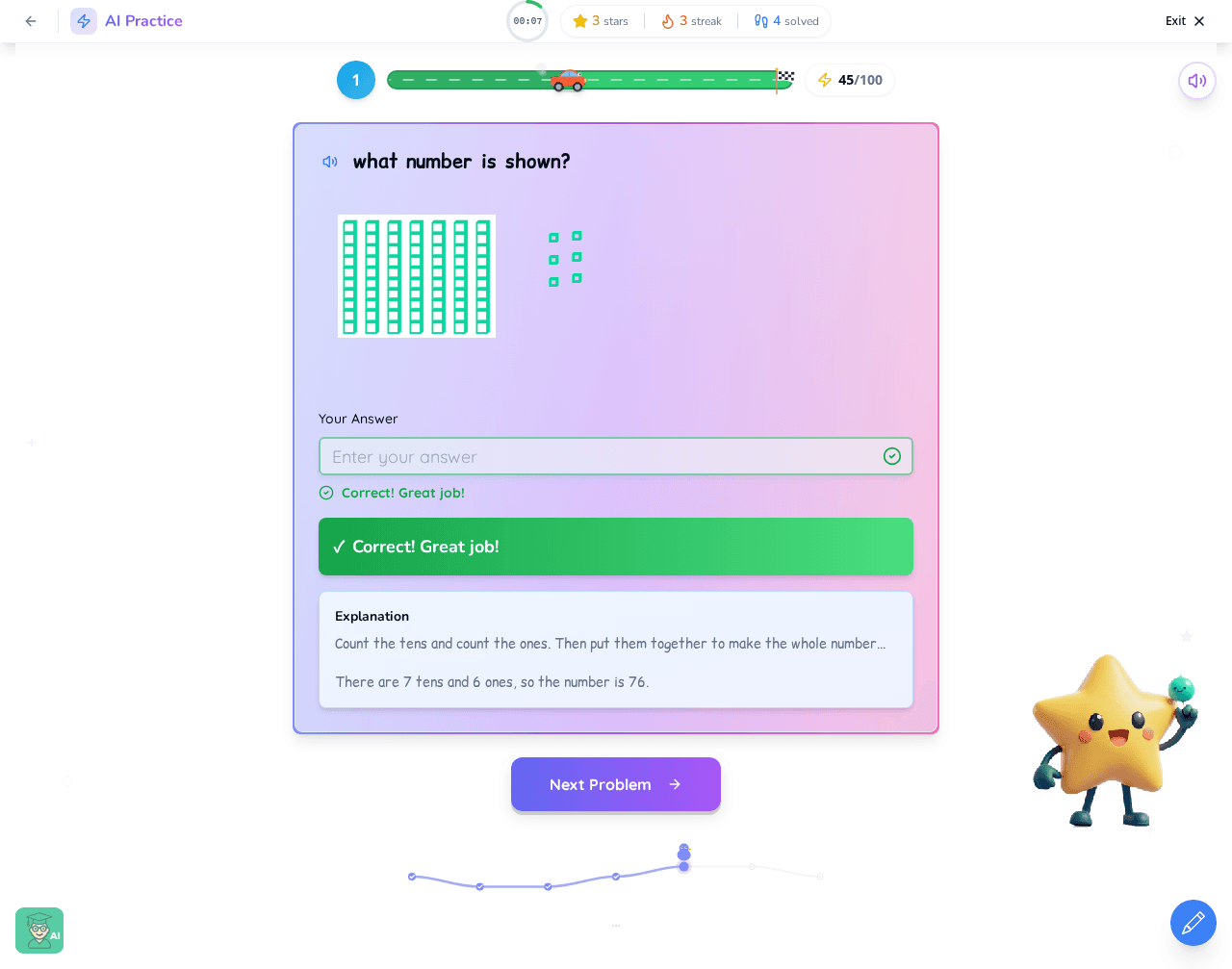
Master second-grade place value with our parent guide. Learn how to teach tens and ones, use base-10 blocks effectively, and build math confidence at home.

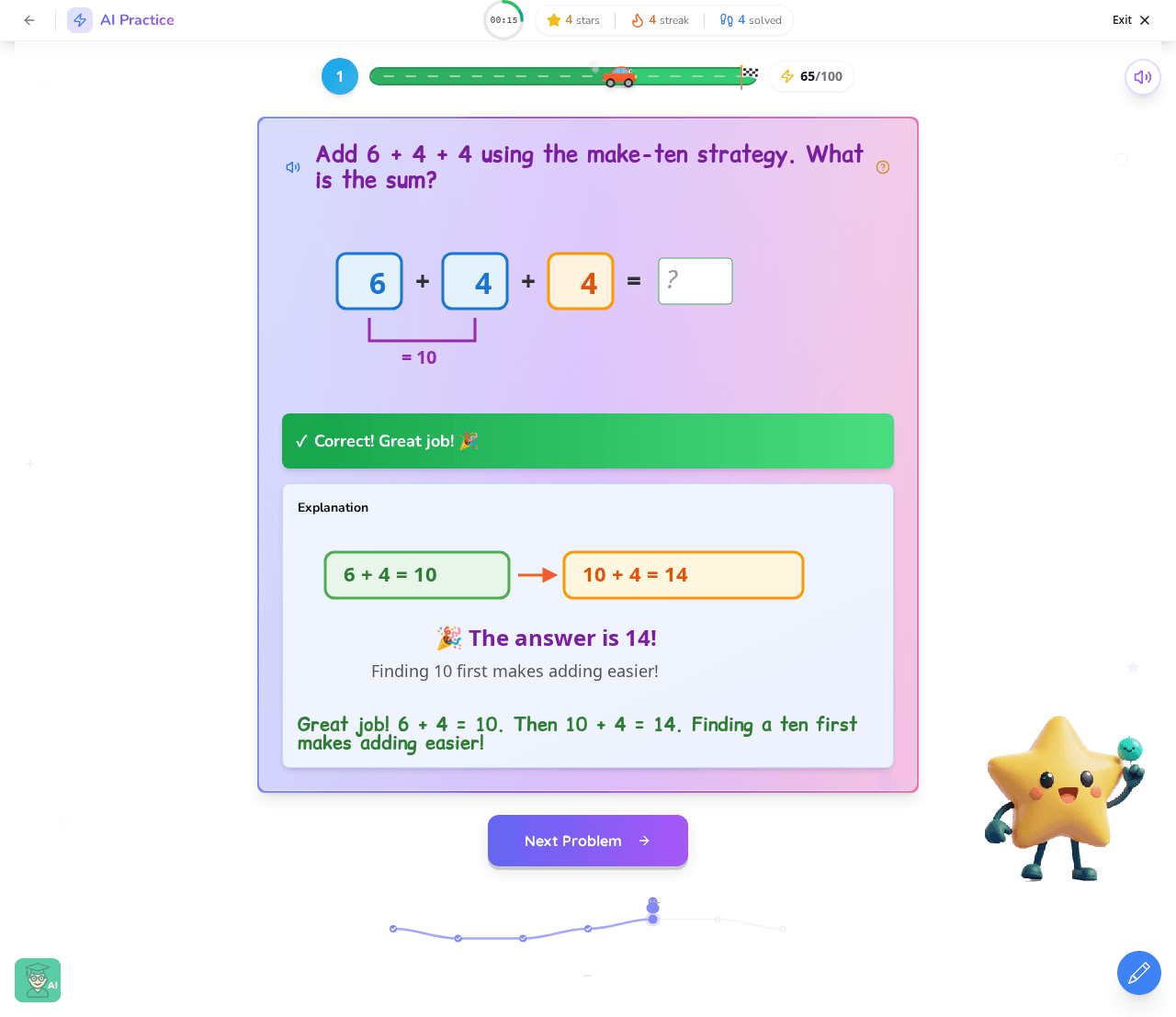
Discover the two simple strategies teachers use to make adding three numbers easy for 1st graders. Learn Make-Ten and Doubles tricks you can practice at home tonight!

Struggling to teach your kindergartener to count to 10? Discover ten frames, the visual counting tool teachers love, and learn simple ways to practice at home.

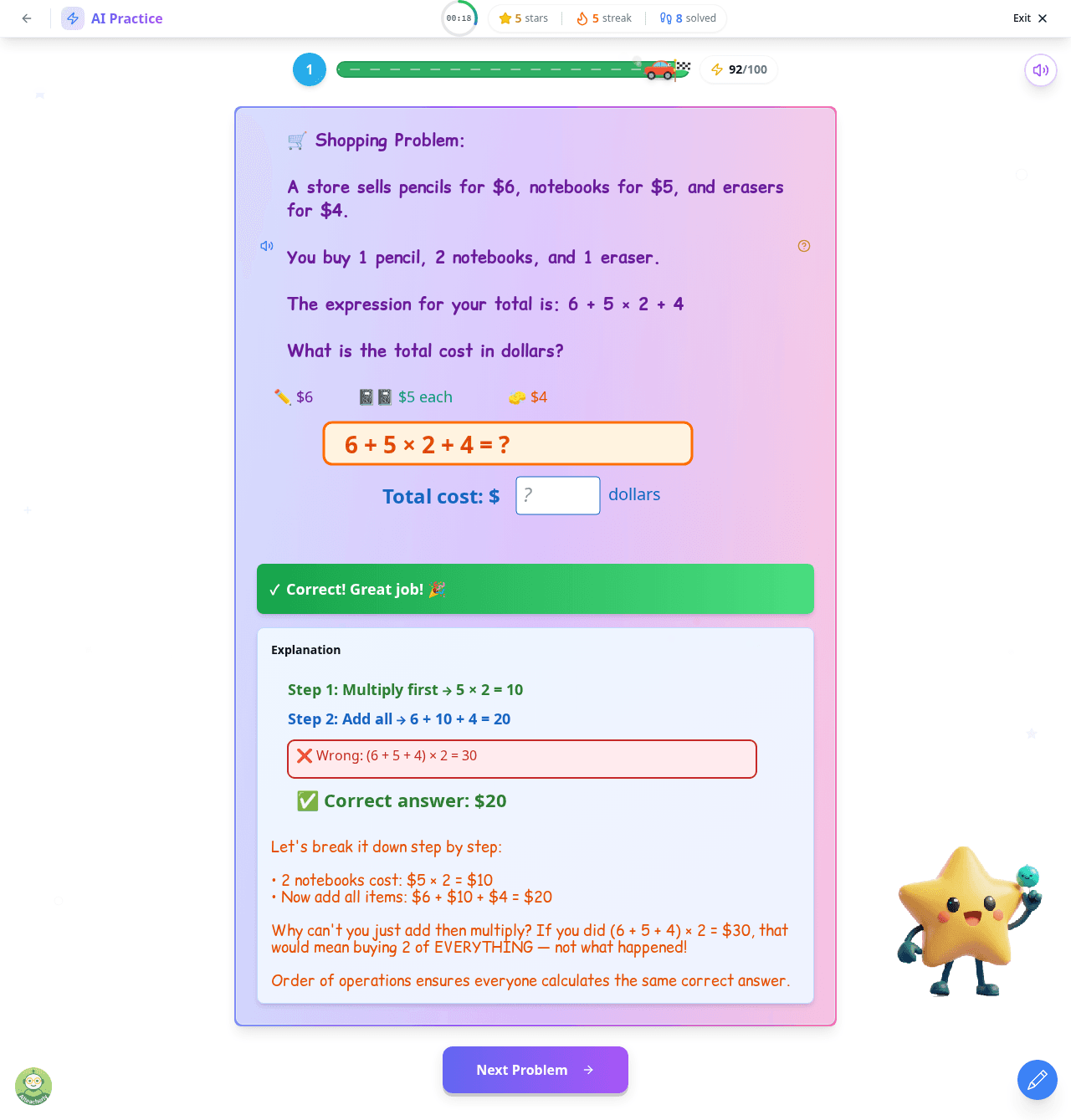
Struggling to remember PEMDAS? This step-by-step guide breaks down order of operations for 6th grade math, covering common mistakes and real-world examples parents can use to help at home.

That moment when your 5th grader asks for homework help and you freeze at "3 + 5 × 2"? You're not alone. Discover the simple PEMDAS secret code that makes order of operations click.

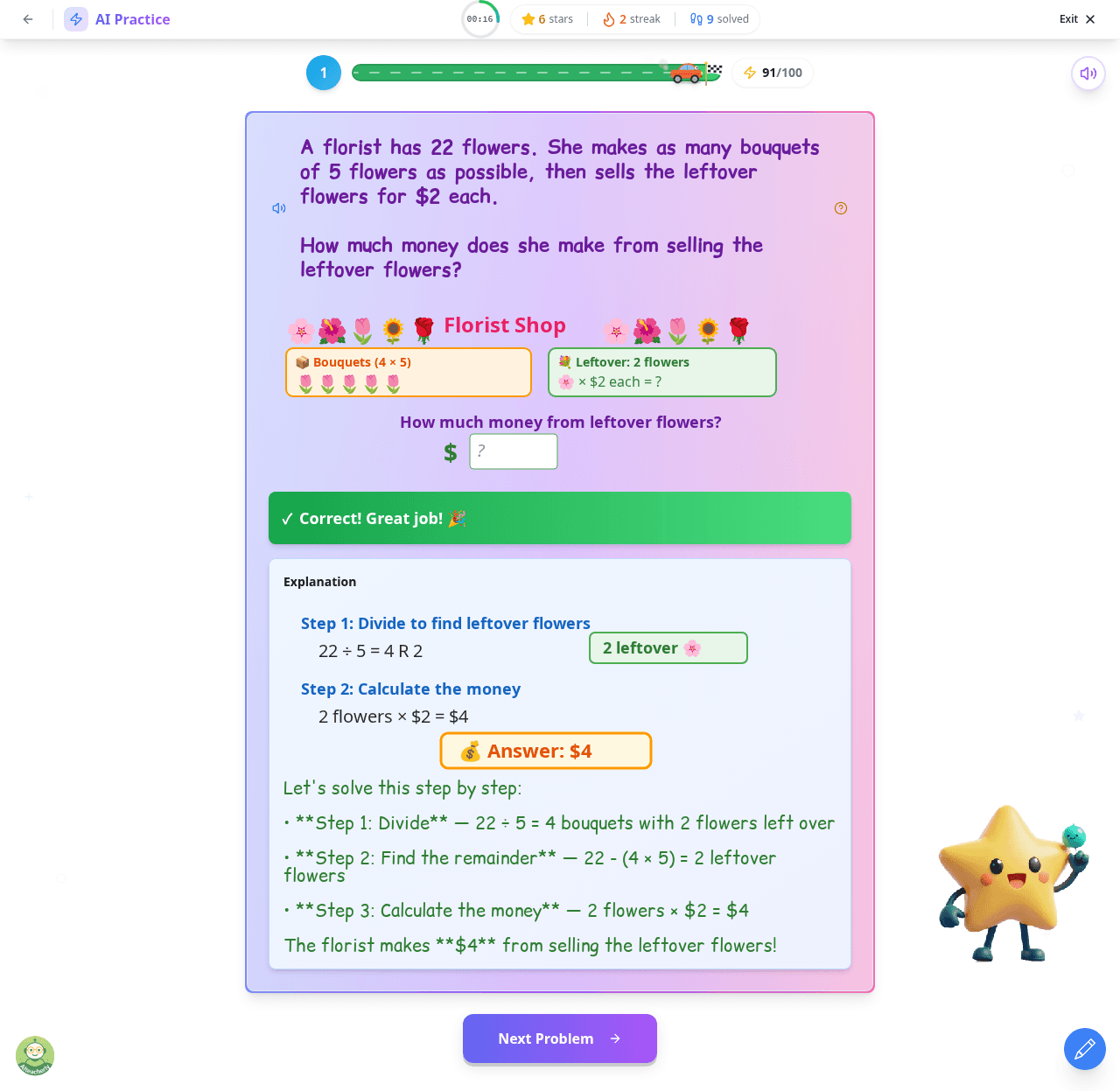
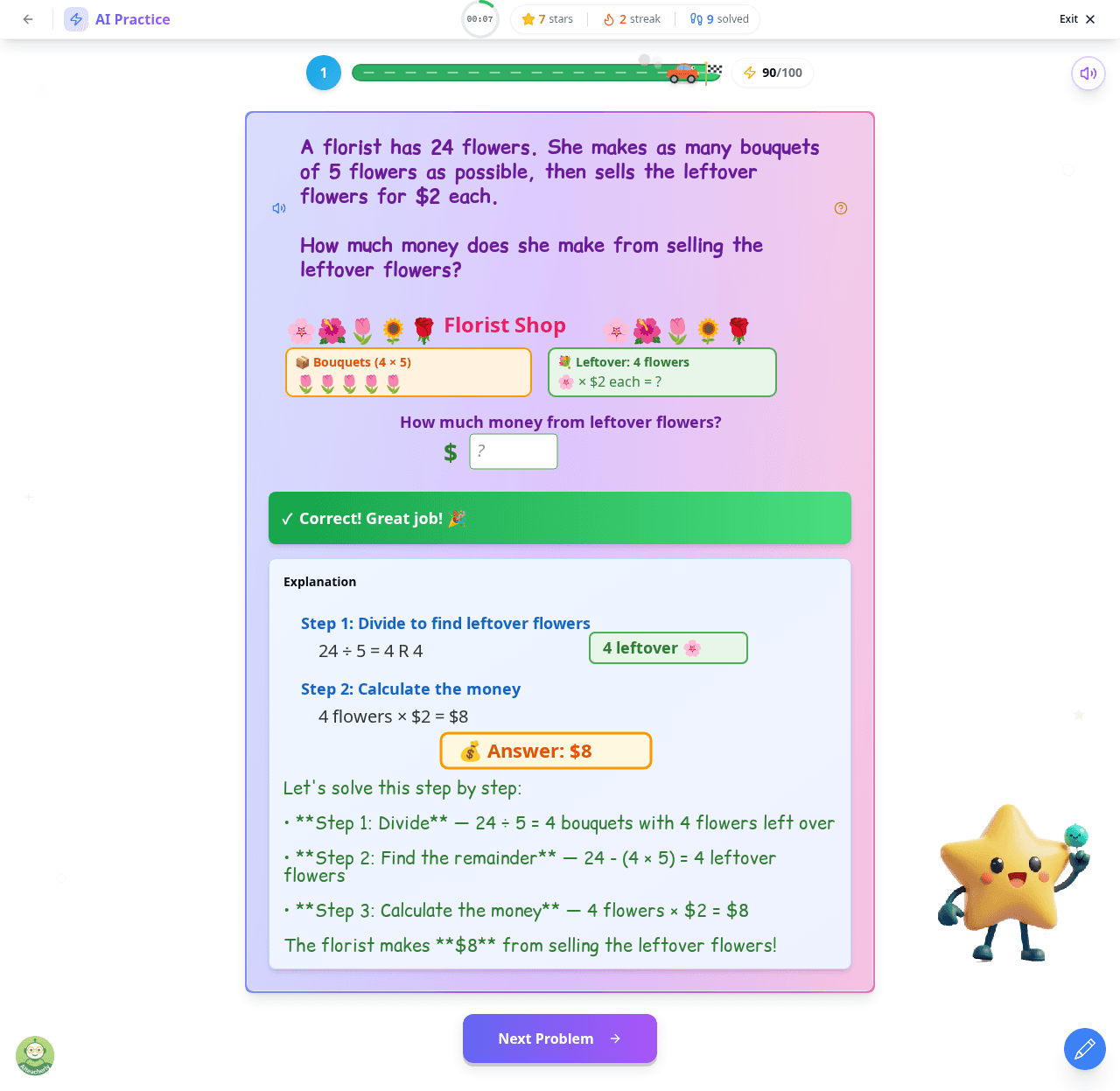
Does your child get the division right but the word problem wrong? Learn the 3 simple strategies for interpreting remainders that transform confusion into confidence.

Discover the hidden question method that transforms confusing two-step word problems into simple, manageable steps for your 3rd grader.

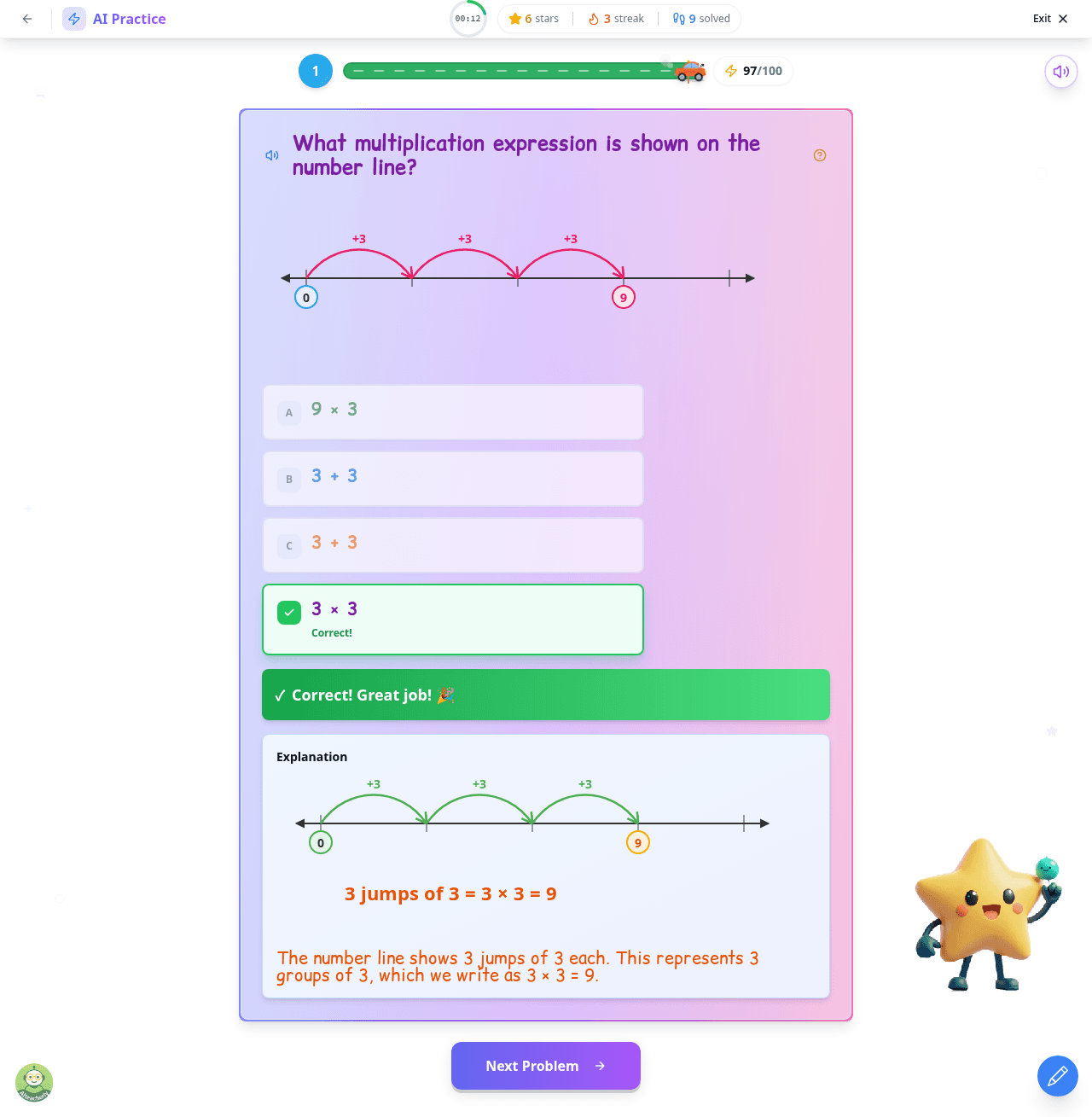
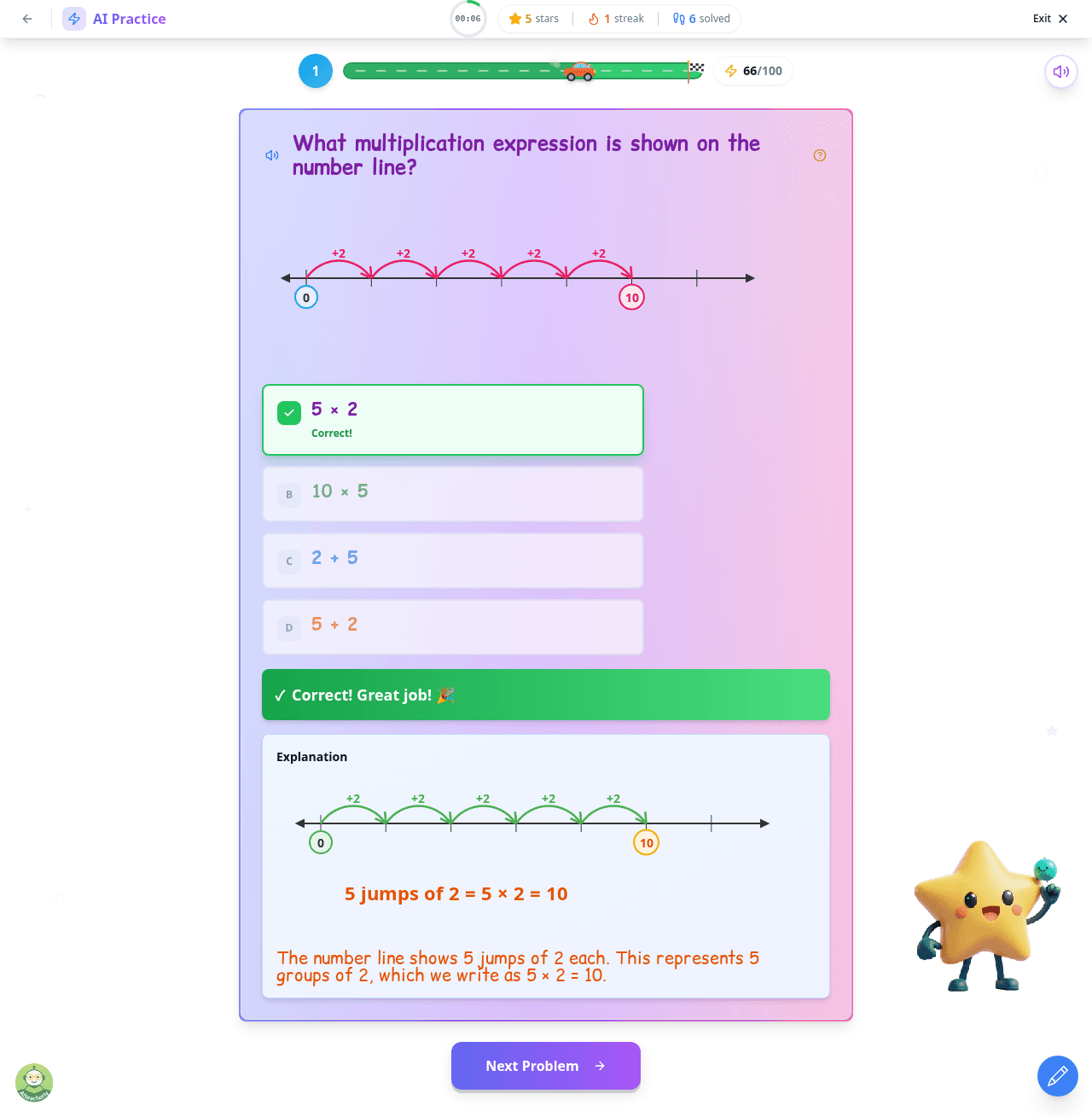
Discover how number line multiplication helps 2nd graders visualize math through equal jumps. Learn the step-by-step method and simple at-home activities that make multiplication click.

When your child sees 4 + 6 + 3, do they freeze up? Discover two simple strategies that transform three-number addition from overwhelming to easy.

Discover how to teach addition to your kindergartener using everyday objects and play-based activities. No math degree required. Just hands-on fun that builds real understanding!

Confused when your 6th grader's math answer doesn't match yours? PEMDAS is likely the culprit. Discover simple explanations and interactive ways to master order of operations together.

Struggling with 5th grade math homework? Learn how PEMDAS with decimals works and discover simple strategies to support your child's order of operations success.

Multi-step word problems don't have to mean homework meltdowns. Learn the detective method that transforms how your 4th grader approaches complex math problems, one clue at a time.

Discover the hidden question trick that transforms confusing two-step word problems into manageable steps. Practical strategies for parents to use at home tonight with their 3rd graders.

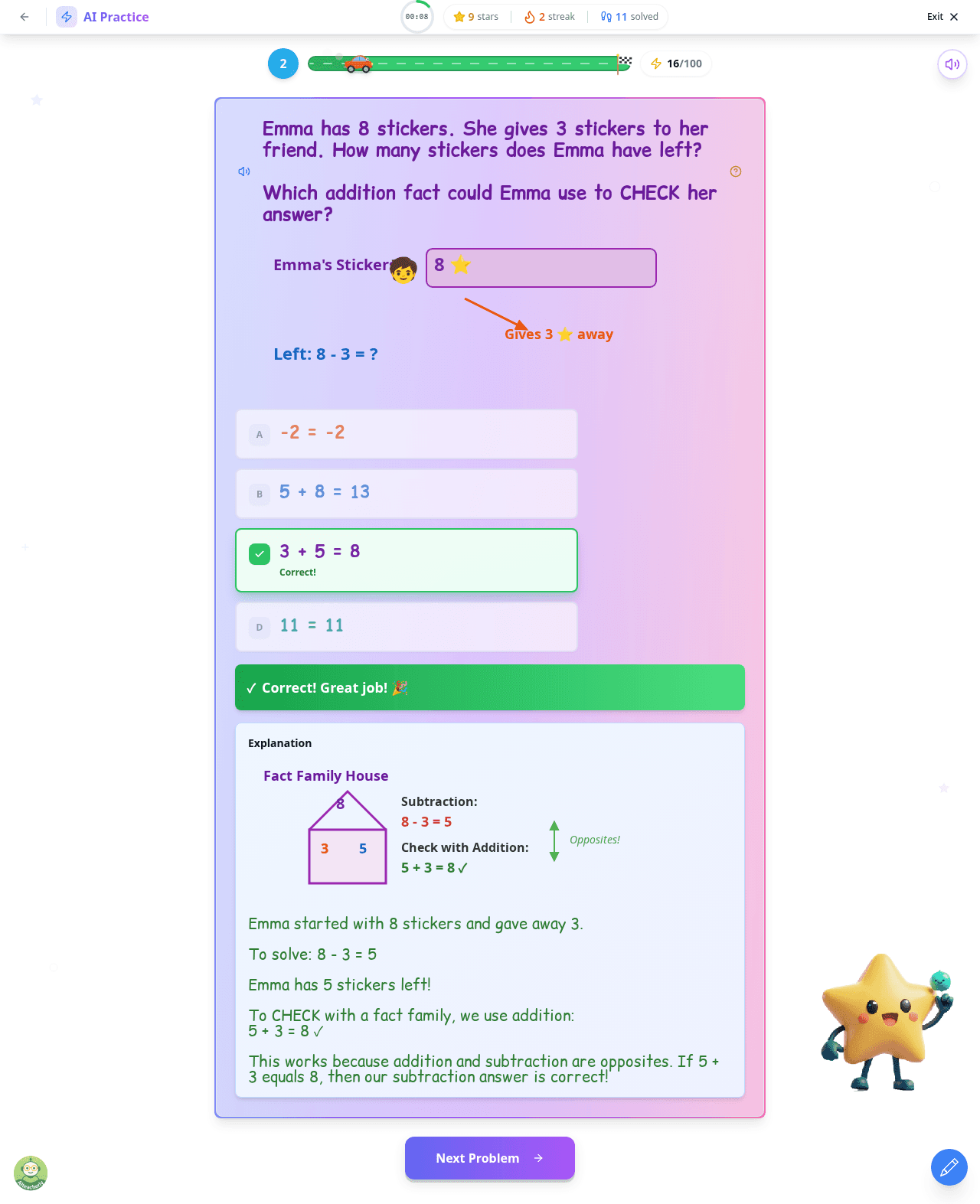
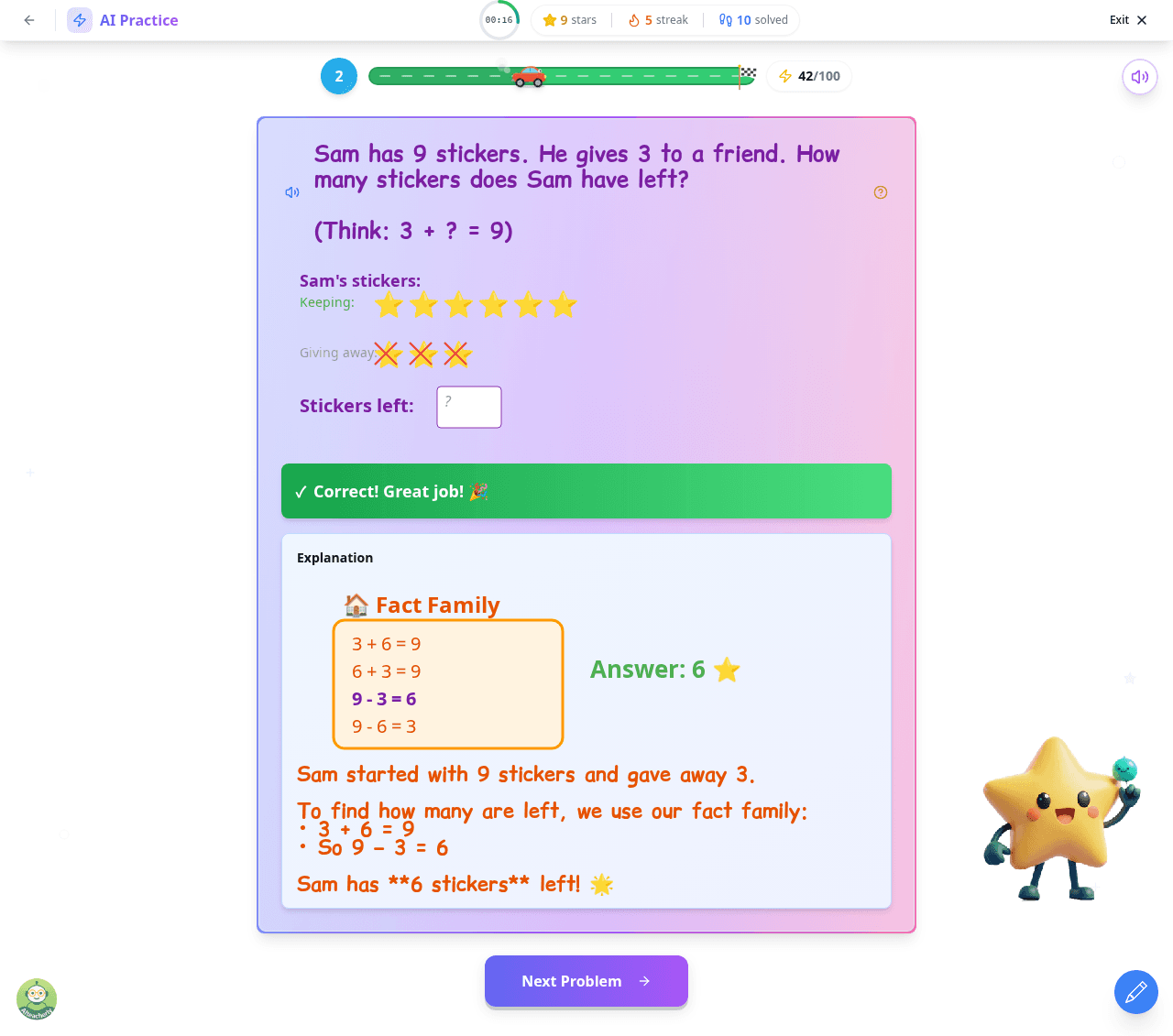
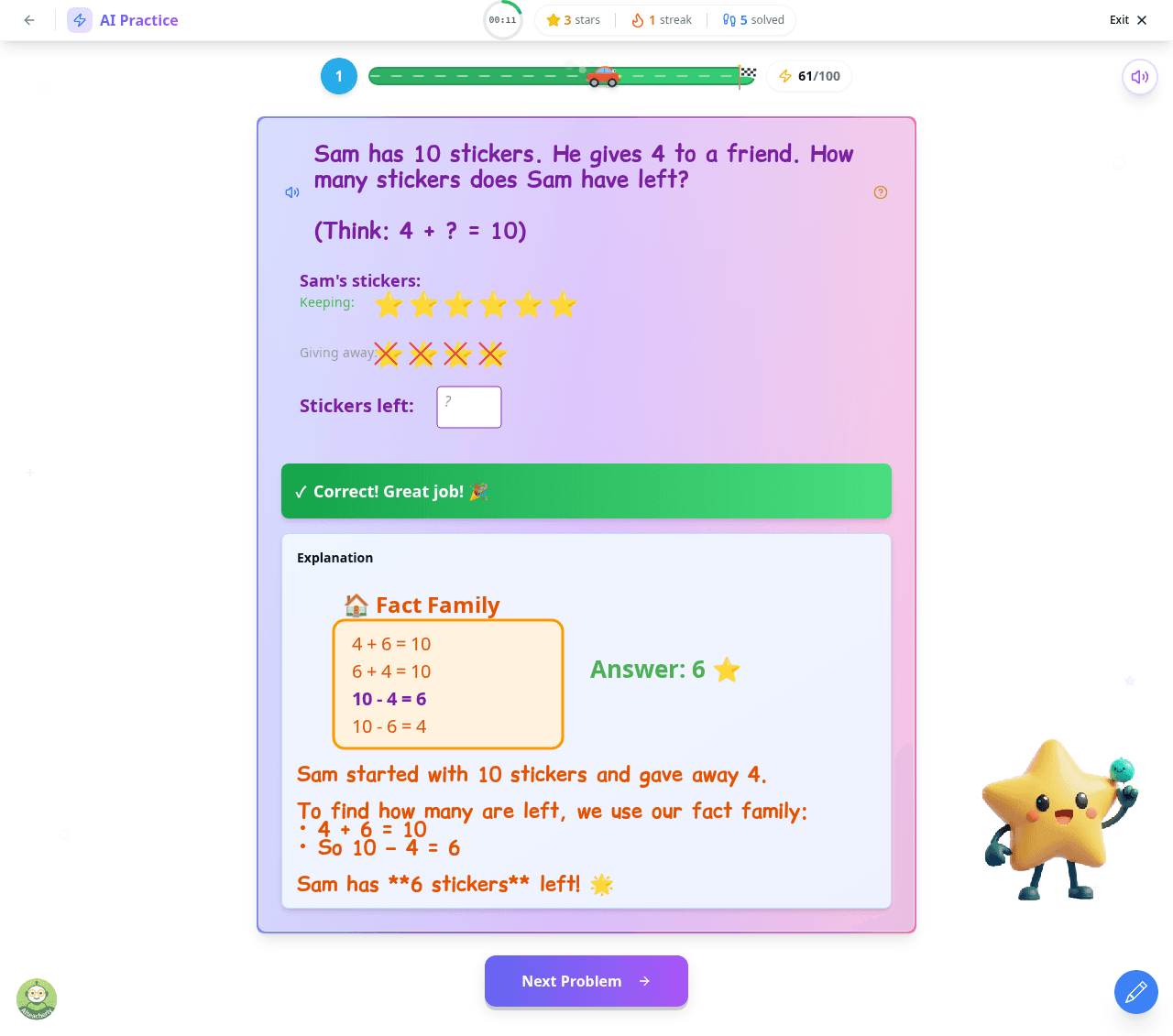
Discover how fact families transform 2nd grade math by connecting addition and subtraction. Learn what every parent should know about this powerful math shortcut.

Discover how fact families connect addition and subtraction for first graders. Learn the 'parts and whole' method to turn math struggles into confident problem-solving at home.

Struggling with PEMDAS homework? Discover why 6th graders get different answers for the same problem and learn a simple step-by-step method any parent can use to help.

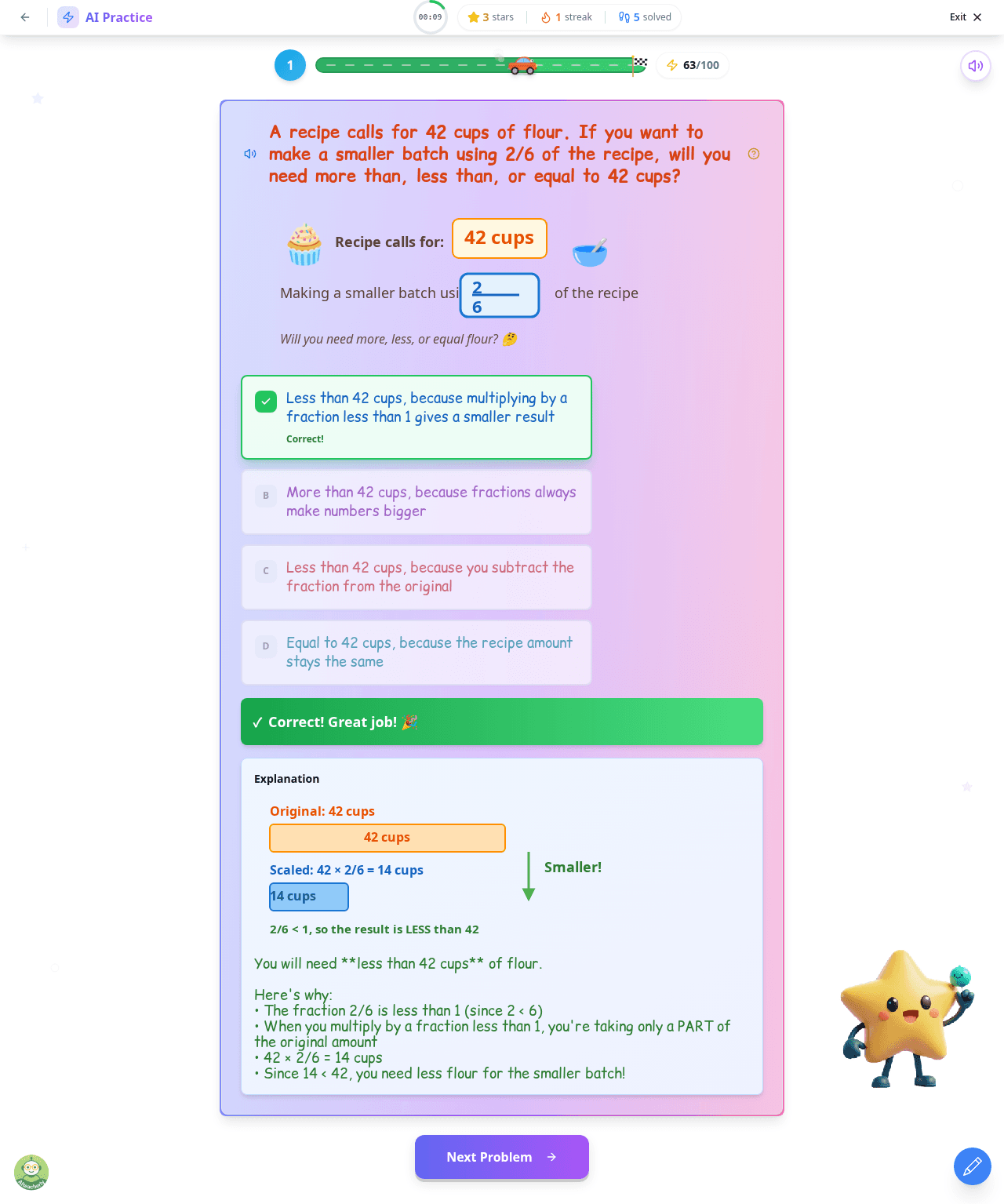
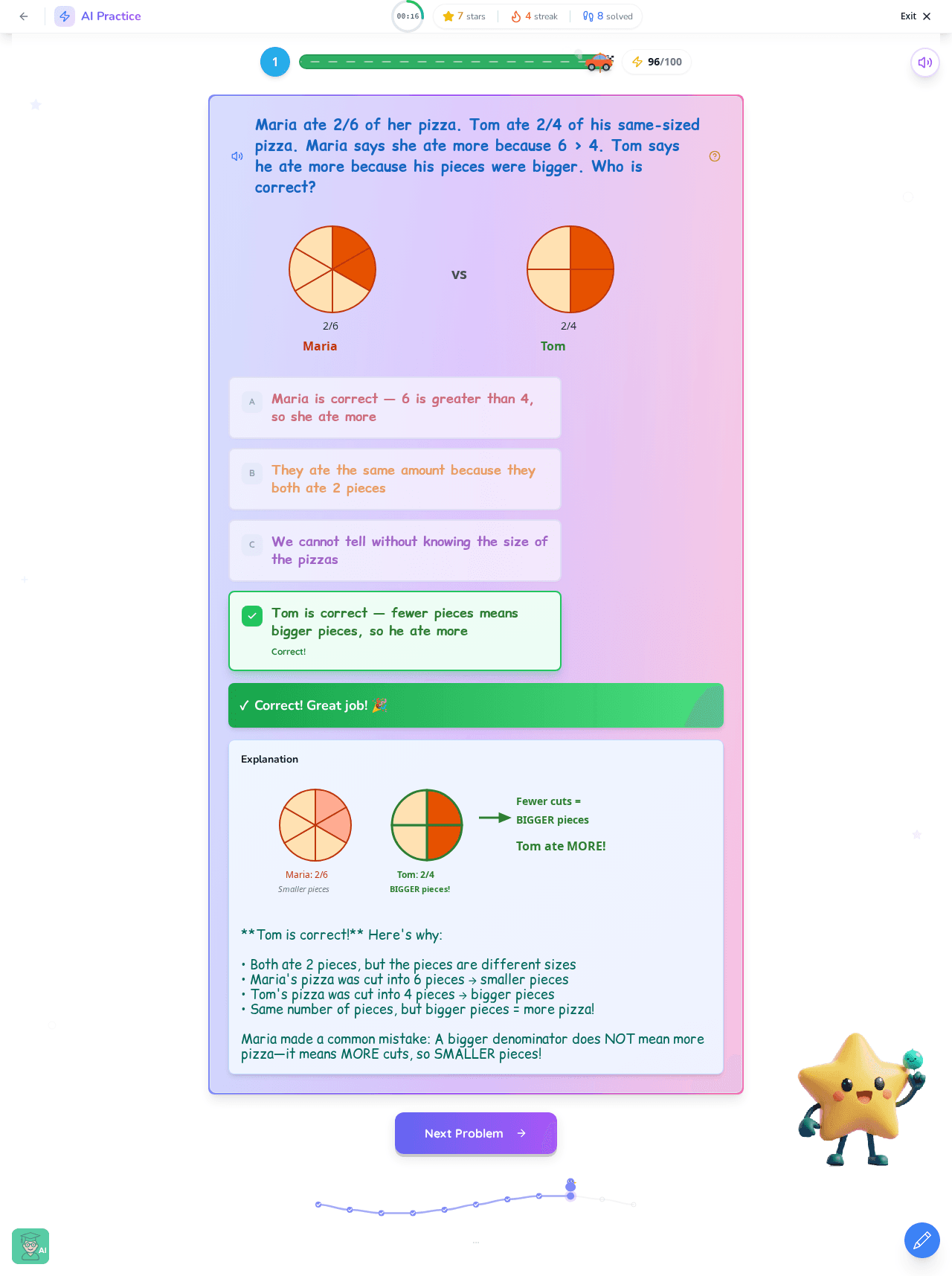
When multiplication suddenly makes numbers smaller, 5th graders get confused. Learn the simple benchmark rule that predicts fraction products instantly, and discover why this concept is the key to math confidence.

Master the 3 simple strategies that help 4th graders know exactly what to do with remainders in division word problems: round up, drop it, or use it.

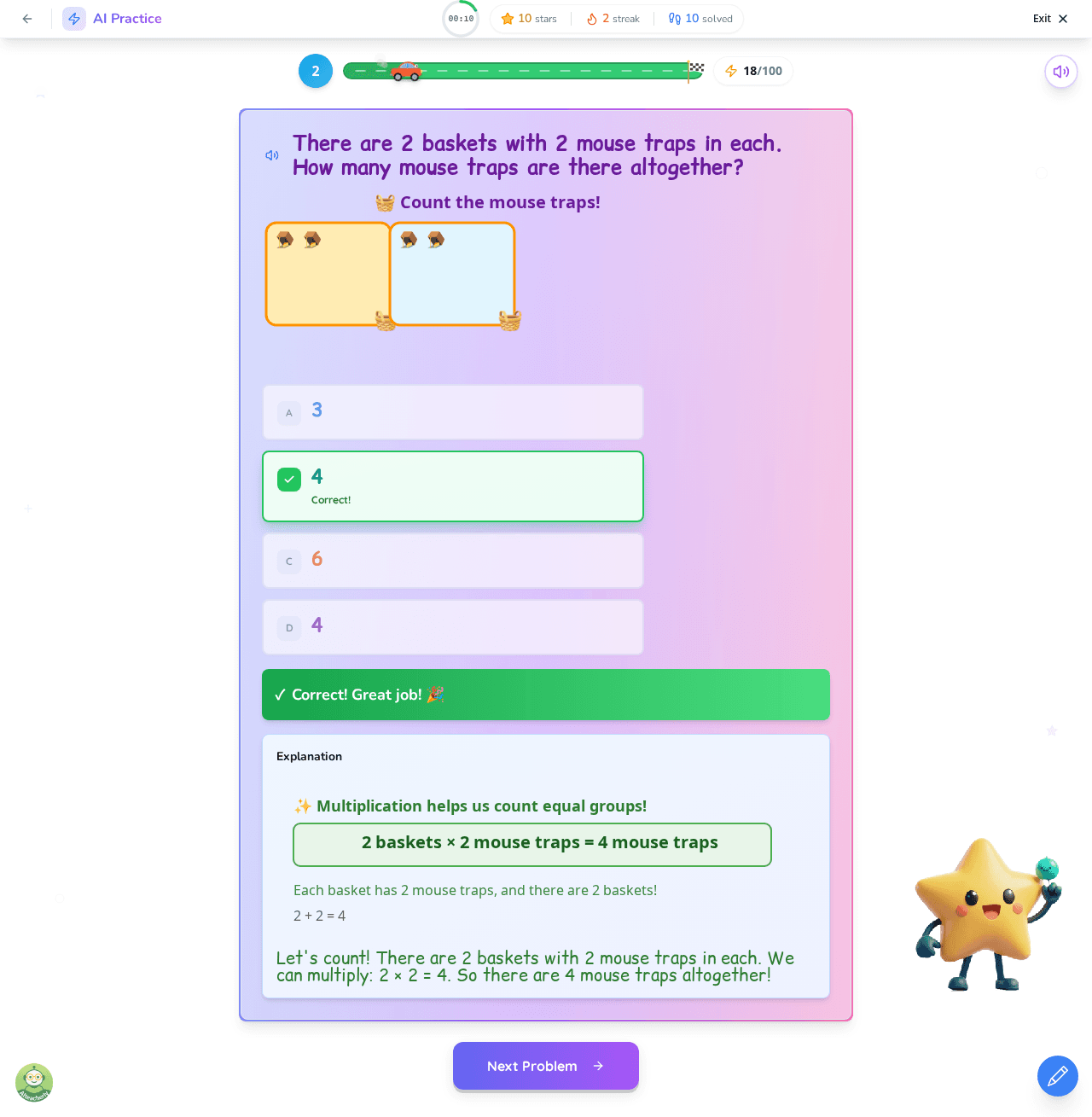
Discover how equal groups and arrays transform 3rd grade multiplication from confusing symbols into visual concepts your child can actually understand. Practical tips using everyday objects at home.

That moment when your 2nd grader freezes at a subtraction problem because "you can't take 7 from 3" is more common than you think. Learn the simple trading trick that makes regrouping click!

Watching your 1st grader struggle with 3 + 5 + 7? Two simple tricks, Make-Ten and Doubles, can transform confusion into confidence. Learn how to teach these strategies at home.

Confused by PEMDAS? This step-by-step guide helps parents understand order of operations so homework time becomes less stressful and more productive.

Conquer 5th grade word problems with mixed operations using the keyword detective strategy and PEMDAS. This parent's guide breaks down multi-step math into simple, teachable steps.

Those multiplication facts for 6, 7, 8, and 9 have stumped generations of kids. Discover two powerful tricks that transform the hardest times tables into easy wins.

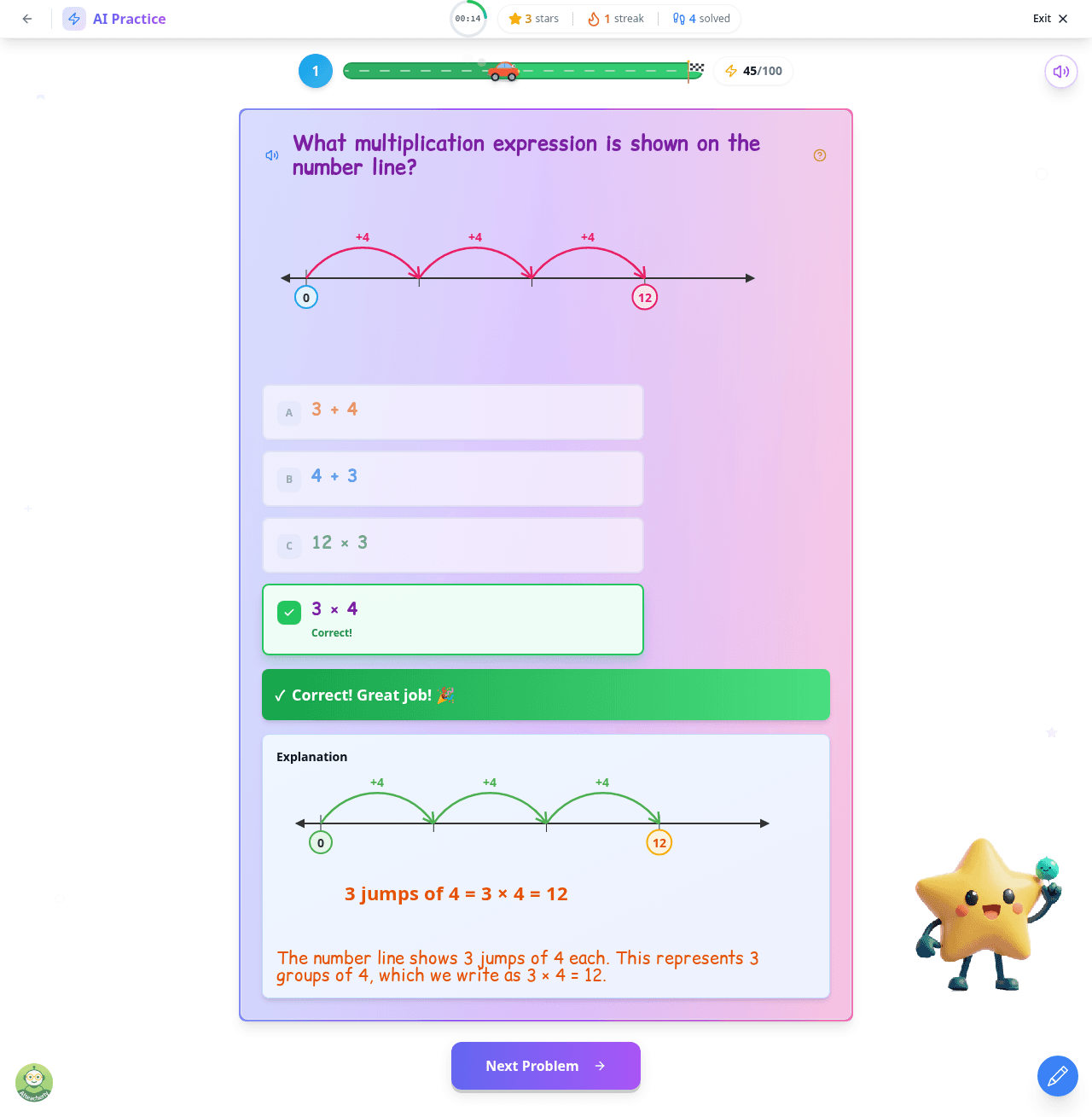
Turn multiplication anxiety into mastery with the number line method. Learn how visual "jumping" helps 2nd graders understand times tables before memorizing them.

Discover how ten frames, the simple visual tool teachers love, help kindergarteners truly understand counting to 10. Learn easy at-home activities and see interactive lessons in action.

Your 6th grader is learning about money in math class right now. Discover how to explain the simple interest formula (I=Prt) in a way that clicks and builds real financial literacy.

Your 4th grader gets the division math right but the word problem wrong. Sound familiar? Learn the 3 simple strategies that make remainder problems click.

Multiplication doesn't have to feel like a big jump. Discover how equal groups and arrays turn abstract math into visual, hands-on learning your 3rd grader will actually understand.

Multiplication doesn't have to mean flashcard stress. Discover how number lines transform abstract math into visible jumping adventures your 2nd grader can actually understand.

Discover how fact families transform subtraction struggles into success for 1st graders. Learn the simple connection between addition and subtraction that builds lasting math confidence.

Discover how to teach your kindergartener addition using items you already have at home. This simple 5-step guide turns snack time into math time, no teaching degree required!

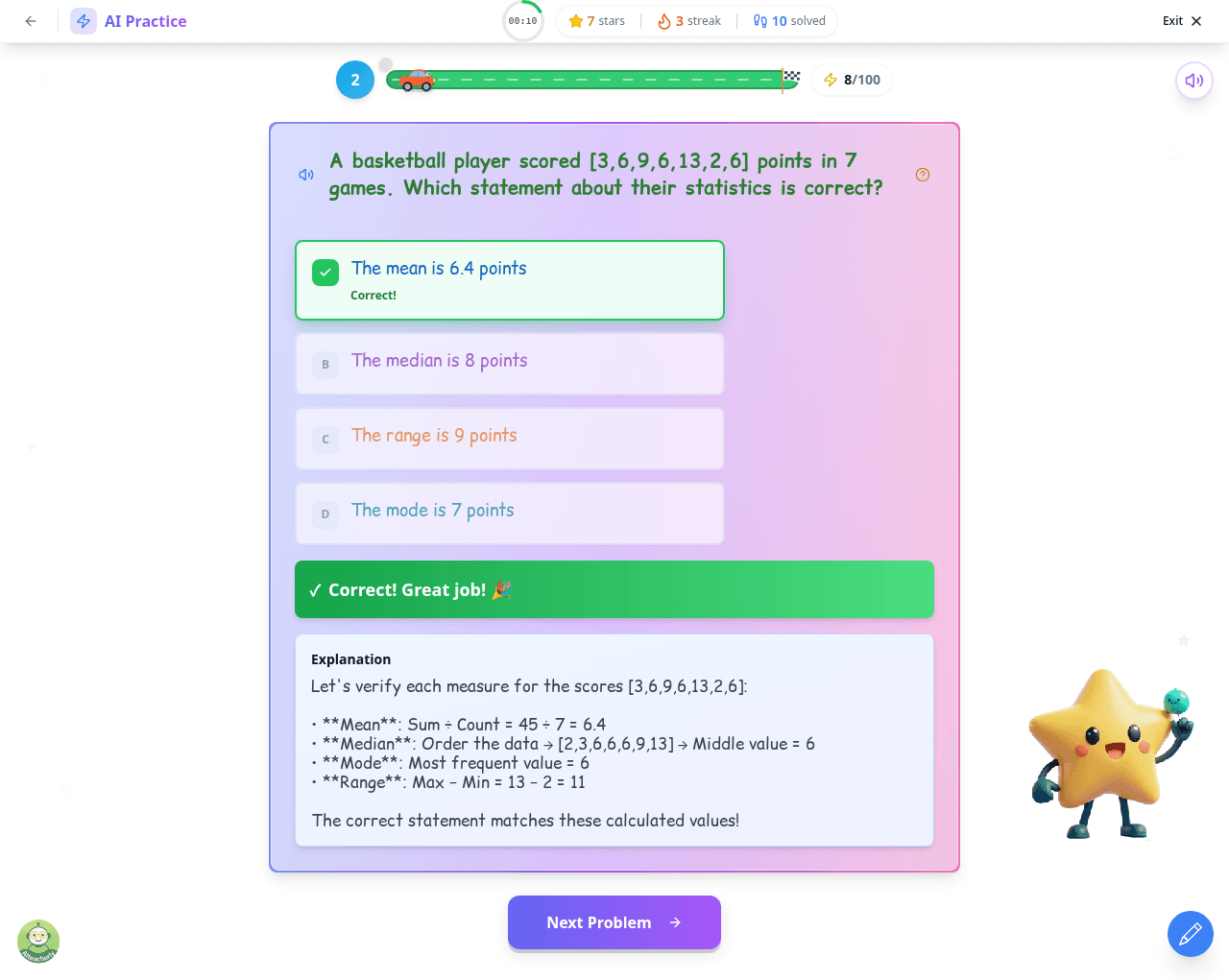
Confused by mean, median, mode, and range? This parent-friendly guide breaks down 6th grade statistics with simple definitions, step-by-step calculations, and everyday examples you can use at home.

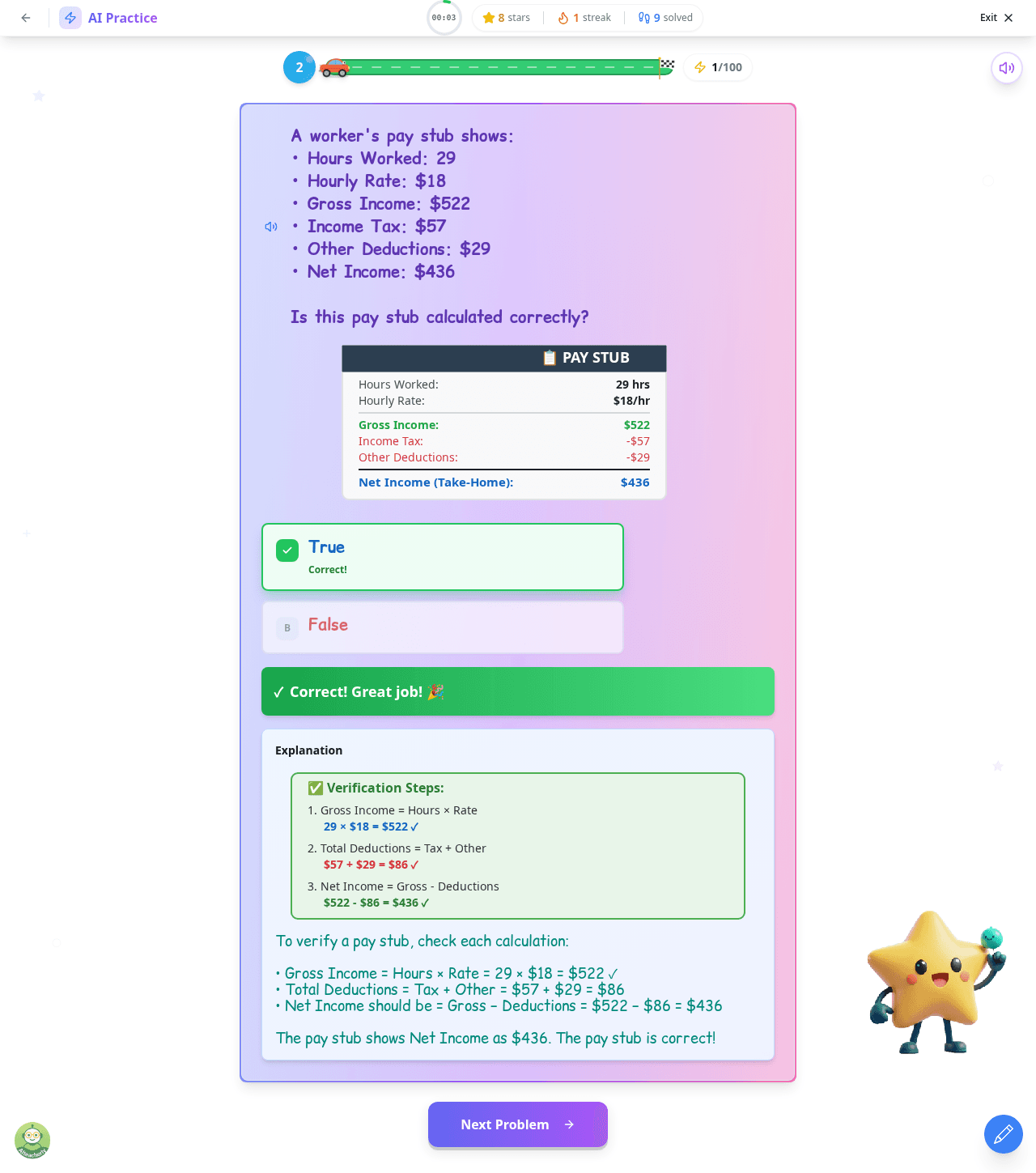
Discover how to teach your 5th grader about gross vs net income, tax deductions, and reading pay stubs. This practical guide makes financial literacy fun with interactive learning tools.

Discover the simple factor-counting trick that makes prime and composite numbers easy for 4th graders. Perfect for parents looking to turn math homework into a fun number detective game!

Your 3rd grader is learning multiplication, and it looks different from how you learned it. Discover how equal groups and arrays make multiplication intuitive before memorizing times tables.

Discover how number line multiplication turns abstract times tables into visual jumps your 2nd grader can see and count. Simple at-home strategies that work.

Discover the secret tool kindergarten teachers use to teach counting to 10. Learn how ten frames make numbers click, plus 5 fun activities you can try today at home!

That sinking feeling when your 5th grader asks for help with word problems? Learn the 5-step method that transforms confusion into confidence, no math degree required.

Discover the simple 3-step method (round, round, subtract) that makes estimation word problems click for 4th graders. No more confusion about "friendly numbers" or when to use estimation!

Confused by equal groups and arrays on your 3rd grader's math homework? Discover how today's visual approach to multiplication builds deeper understanding and how you can support learning at home.

Your 2nd grader isn't just counting anymore. They're building the foundation for multiplication through equal groups, skip counting, and repeated addition. Discover practical ways to support this crucial skill at home.

Discover two simple strategies to teach your 1st grader missing number addition. From counting on to using subtraction, these parent-friendly tips turn homework confusion into math confidence.

Discover simple, playful ways to teach your kindergartener addition at home using everyday objects. No worksheets, no flashcards, just fun activities that make math click.

Teach your 6th grader the I = Prt formula with real money examples. Master simple interest calculations and build financial literacy skills that last a lifetime.

Master PEMDAS with decimals for your 5th grader using the Decimal Detective approach. Step-by-step strategies, real-world examples, and common mistake fixes that make math homework stress-free.

Confused about what to do with remainders in 4th grade math? Discover the 3 simple rules that make division word problems easy for your child to master.

When your 3rd grader brings home multiplication for the first time, don't panic. Learn the simple visual strategies teachers use so you can confidently explain equal groups and arrays at home.

When your child can recite "2, 4, 6, 8" but freezes at word problems, the issue isn't counting; it's context. Discover how skip counting stories transform pattern memorization into real understanding.

Pattern recognition isn't just play; it's the foundation of algebraic thinking. Discover fun, practical ways to teach patterns to your kindergartener at home with engaging color and shape activities.

Struggling with 6th grade percent problems? Learn the three types every student must master, simple solving strategies, and how interactive lessons make percentages click.

When 5th grade math problems combine decimals with multiple operations, PEMDAS is the key. This parent-friendly guide breaks down the order of operations into simple steps anyone can teach at home.

Struggling to explain rounding to your 4th grader? This parent-friendly guide breaks down the simple 2-step method, visual number line tricks, and common mistakes to watch for.

Discover how equal groups and arrays transform multiplication from confusing to crystal clear for 3rd graders. Visual strategies and at-home activities that actually work.

Discover how the jumping method makes multiplication visual and fun for 2nd graders. Learn why number lines connect addition skills to times tables, with easy at-home activities.

Discover simple, no-stress ways to teach tens and ones to your first grader at home. Learn practical activities using everyday objects plus interactive tools that make place value click!

Discover how to teach your kindergartener addition using everyday objects and playful activities. No worksheets needed, just hands-on fun that makes math concepts click!

PEMDAS doesn't have to be confusing. Learn how order of operations works in 5th grade math with clear steps, real examples, and the estimation trick that catches errors every time.

Discover the 3 simple strategies that transform division remainder confusion into confident problem-solving. A practical parent's guide with real-world examples for 4th grade math success.

Discover how equal groups and arrays transform confusing multiplication into visual concepts 3rd graders actually understand. Learn practical strategies to practice at home with everyday items.

Discover how fact families connect addition and subtraction for 2nd graders. Learn simple home activities and see why this math shortcut builds lasting number sense.

Your kindergartener doesn't need worksheets to learn addition. Discover hands-on activities using everyday household items that make math click for young learners.

PEMDAS doesn't change with decimals, but precision does. Discover the step-by-step approach to order of operations with decimals and how interactive practice helps 6th graders succeed.

Tackle 5th grade multi-step word problems with confidence using the PEMDAS strategy and keyword code system. Practical tips every parent needs for homework success.

Discover how skip counting connects to multiples and why Venn diagrams create those "aha moments" for 4th graders learning common multiples and LCM. Practical tips for parents.

Discover how number lines transform multiplication from scary memorization into visual, hands-on learning for 2nd graders. Practical tips and interactive lessons inside!

When your first grader freezes at 4 + 6 + 3, two simple strategies can transform three-number addition from overwhelming to easy. Learn the Make Ten and Doubles techniques that teachers use.

Discover how to unlock your kindergartener's natural pattern-spotting abilities with playful activities that build real math skills. No teaching degree required!

Remember "Please Excuse My Dear Aunt Sally"? Your 6th grader is mastering the same PEMDAS rules now. Discover the common mistakes to avoid and simple ways to practice together at home.

Your 5th grader already uses coordinates in video games and maps. Learn how to make the connection click with fun tricks, real-world examples, and interactive practice.

Master 6 simple divisibility rules that make math faster for your 4th grader. Easy tricks for checking 2, 3, 5, 6, 9, and 10 that you can practice together tonight.

Discover why the crossing out method helps 2nd graders truly understand subtraction. Learn visual strategies, at-home activities, and see interactive lessons that make math click.

Discover the counting back subtraction strategy your 1st grader is learning in class. Learn the simple 3-step method and fun ways to practice at home without worksheets.

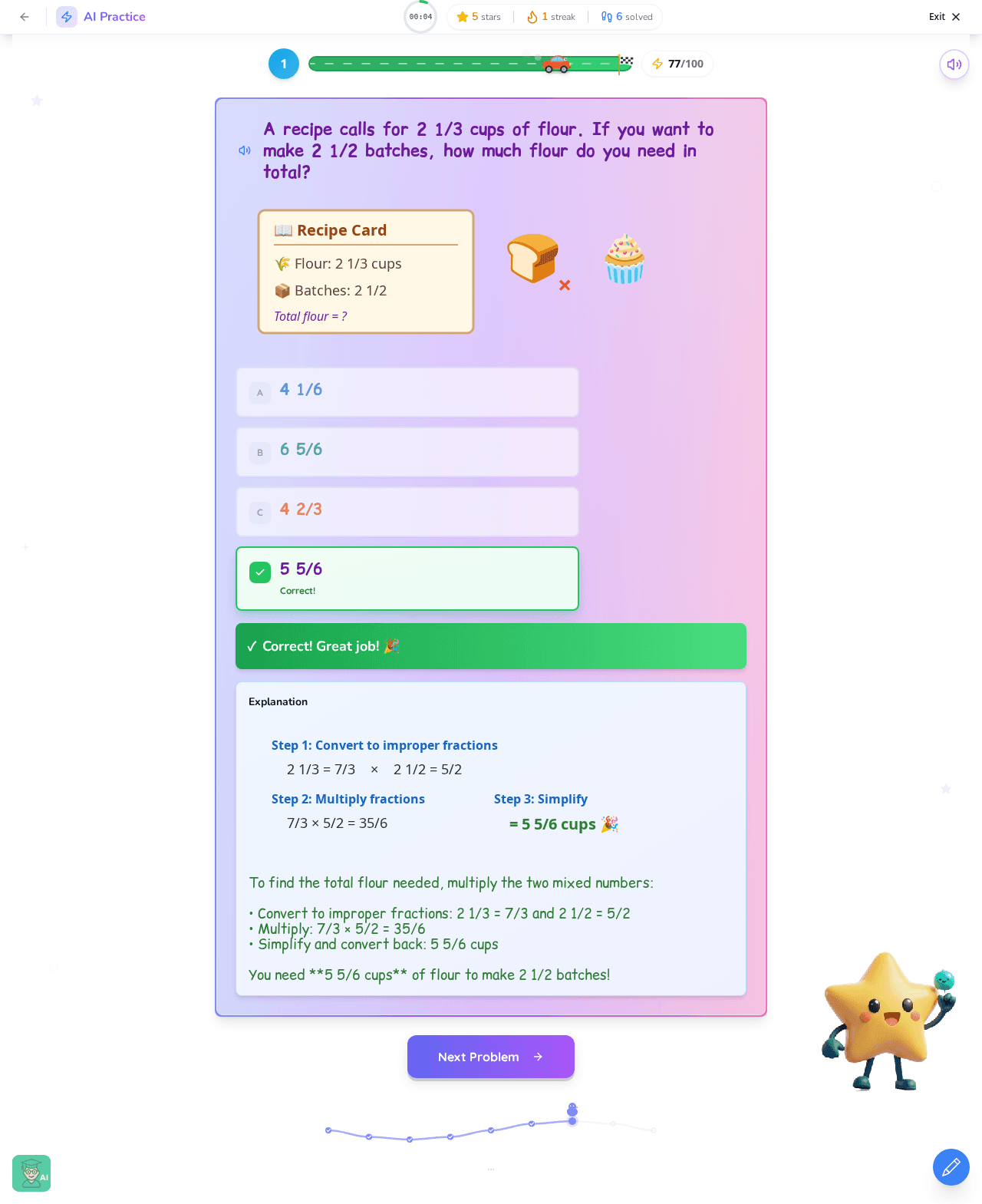
Struggling with mixed number multiplication homework? Discover the simple 3-step method (convert, multiply, simplify) that makes 5th grade fraction math click for your child and you.

Your 4th grader got the division right but the answer wrong? Learn the 3 simple rules for interpreting remainders that turn confusing word problems into confident problem-solving.

Discover the simple left-right rule that makes comparing numbers on a number line easy for 2nd graders. Practical activities, common mistake fixes, and interactive practice tips inside.

Struggling to teach your 1st grader those confusing comparison symbols? Discover the alligator trick and fun home activities that make greater than and less than finally click.

Discover the one-to-one correspondence trick that transforms your kindergartener's number reciting into real counting skills. Simple touch-and-count strategies for parents.

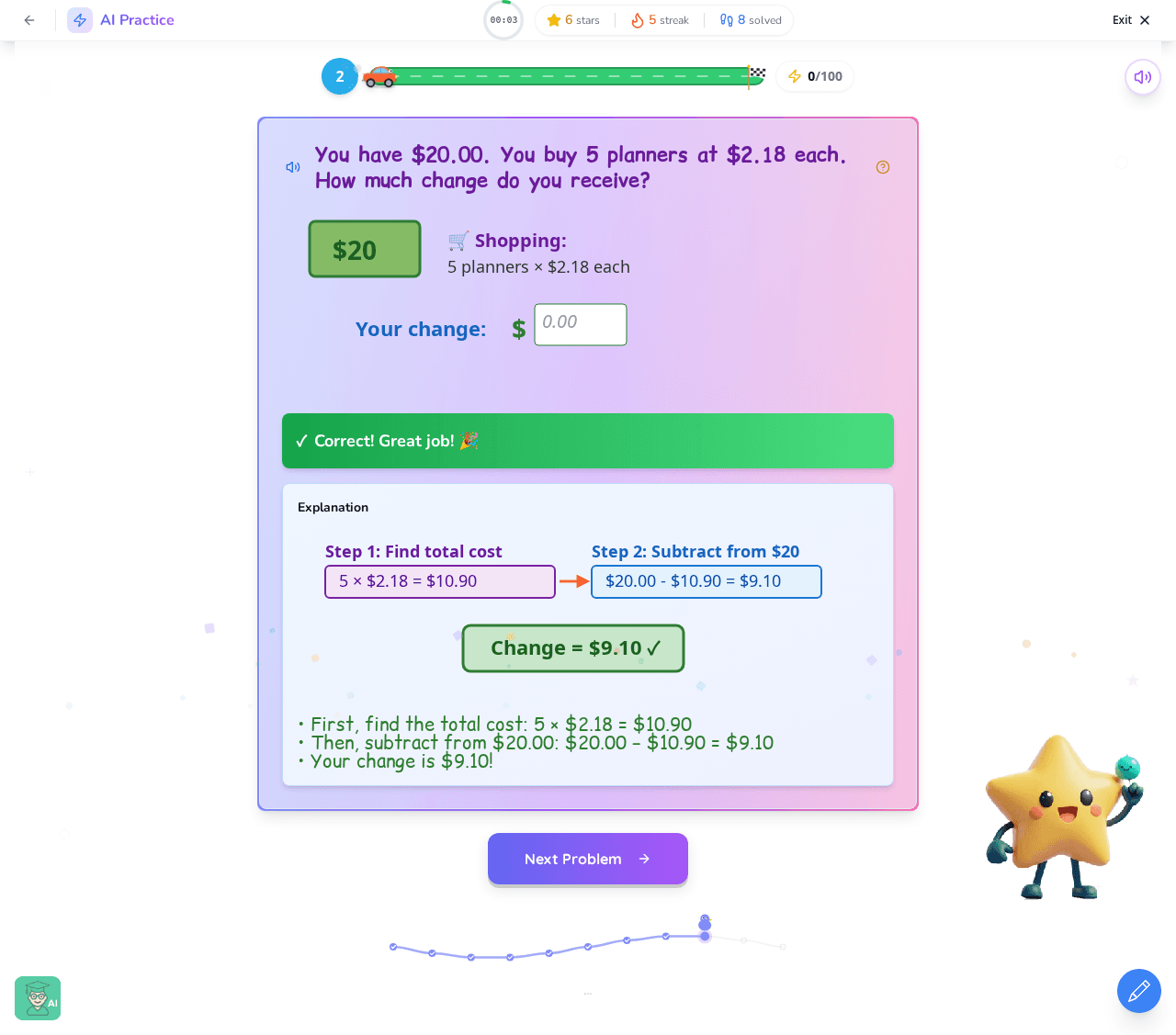
Every shopping trip is a hidden math lesson. Learn how to teach your 6th grader sales tax, tips, and discounts using real-world practice that makes percent calculations click.

Divisibility rules are the math shortcuts every 4th grader needs. Learn the simple tricks for 2, 3, 5, 6, 9, and 10 that make division feel like a superpower, with fun home activities included.

Your 3rd grader is tackling multiplication, and you don't need to drill times tables to support them. Discover how equal groups and arrays make multiplication concepts click at home.

Discover how number lines turn confusing multiplication into a visual jumping game. Learn the method 2nd grade teachers use and how to practice it at home in just 10 minutes.

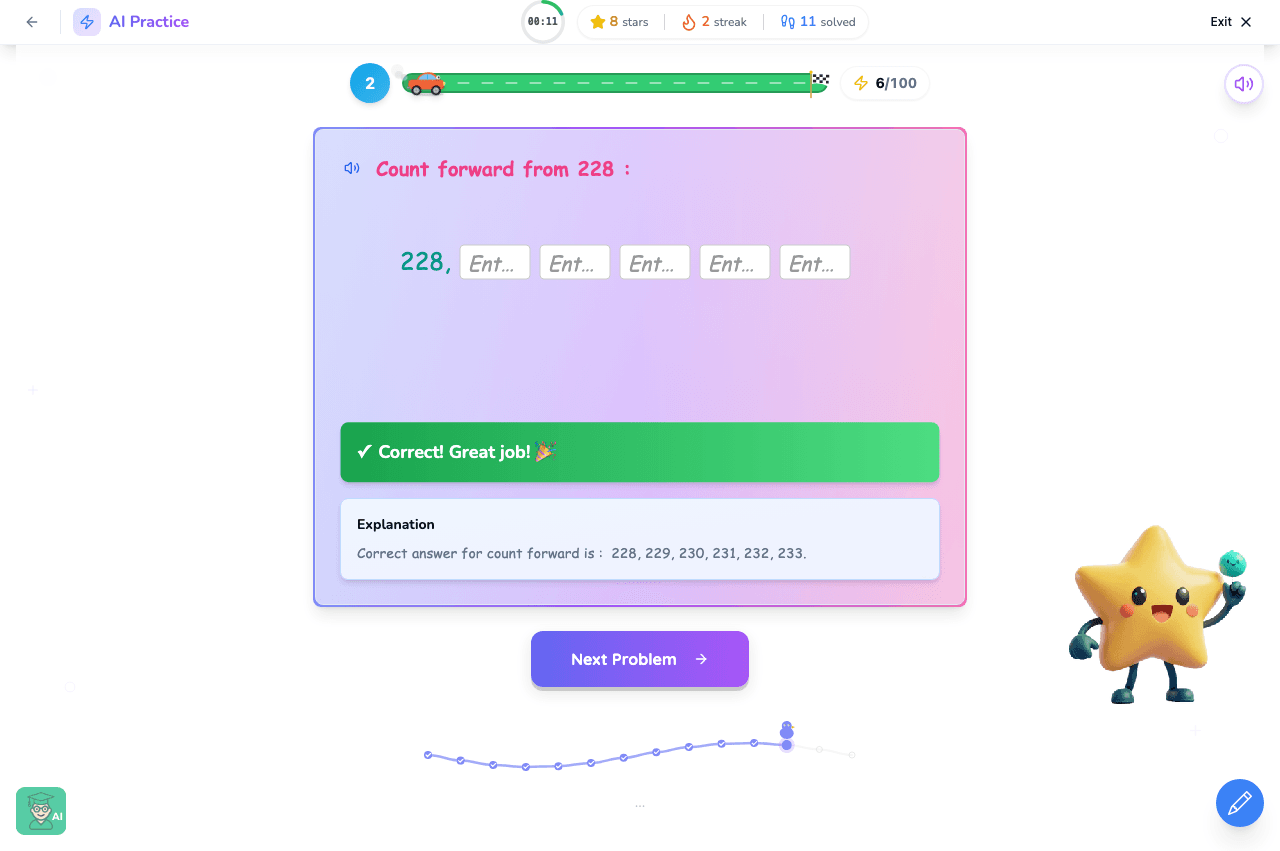
Discover fun, simple ways to teach counting forward to your first grader. From stair-step counting to interactive digital lessons, build early math confidence in just 5 minutes a day.

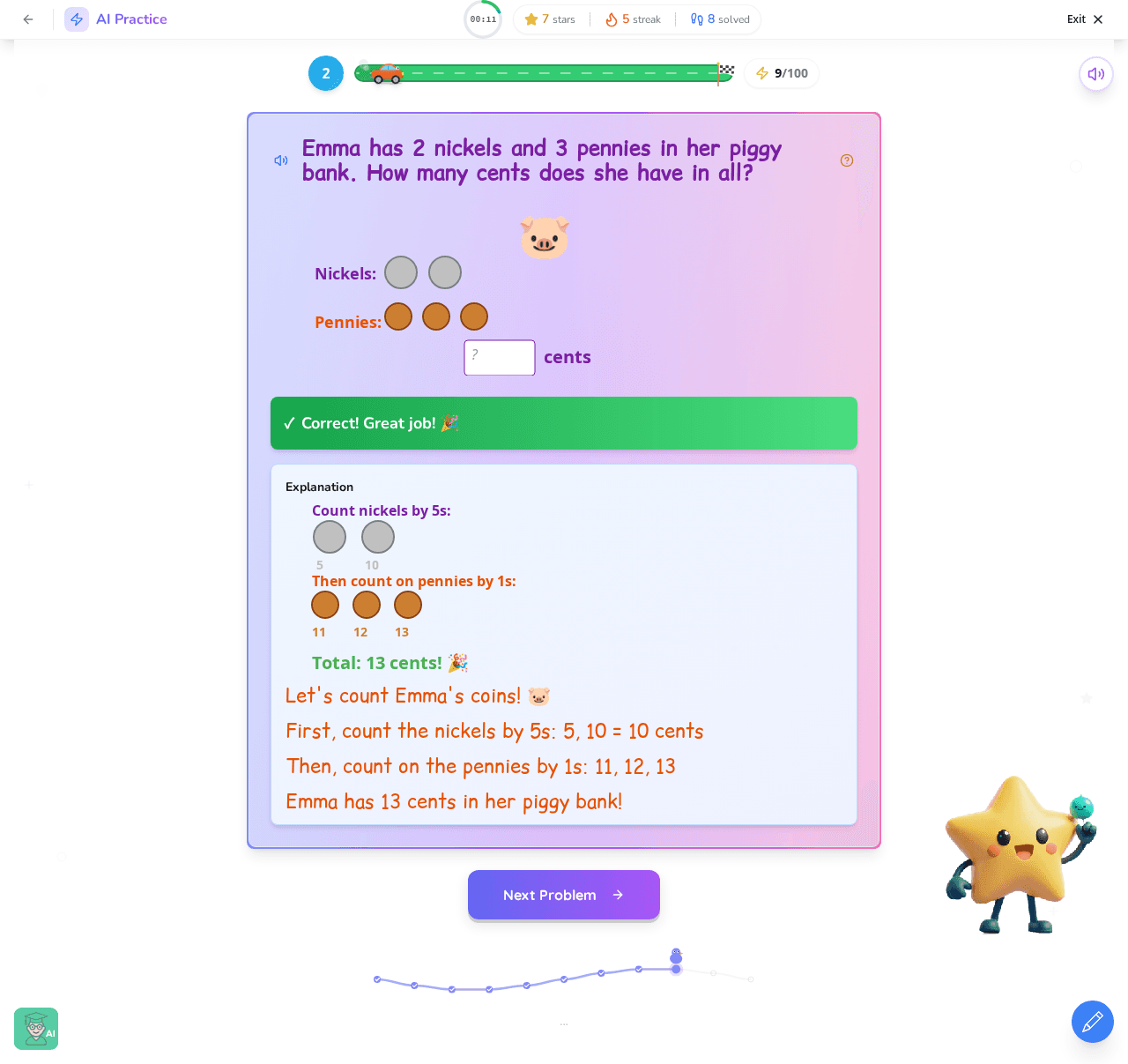
Discover easy, hands-on ways to teach kindergarteners to count coins. Learn the simple pennies-and-nickels strategy that builds early math skills using everyday loose change.

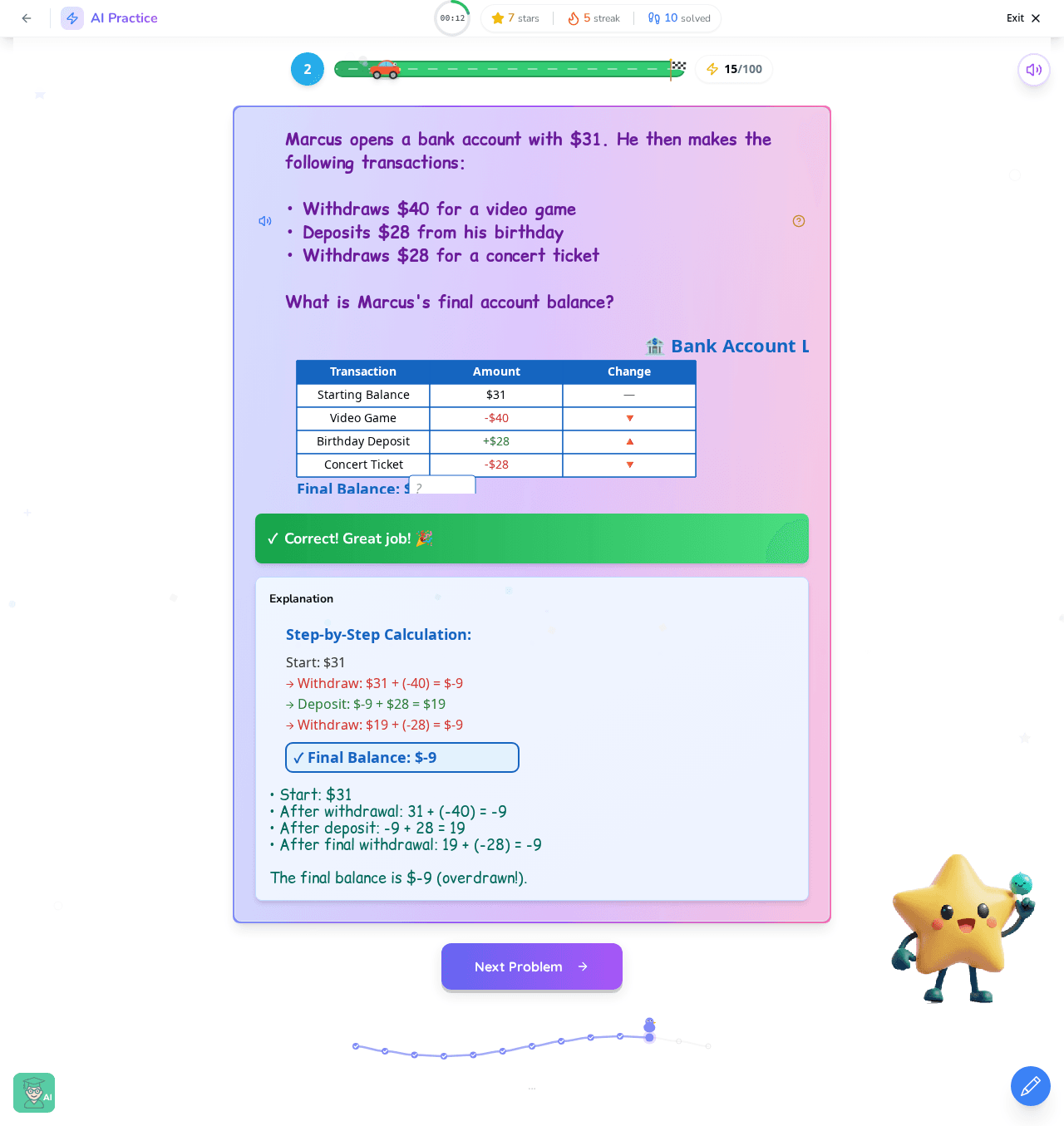
Struggling with 6th grade integer math? Discover the 3 simple rules that make adding and subtracting positive and negative numbers easy for your child.

Fraction division breaks every rule your 5th grader learned about math. Discover why dividing by fractions gives bigger answers and how visual models finally make it click.
Discover the "hundreds digit secret" that transforms 4th grade rounding from frustrating guesswork into an engaging puzzle adventure. Simple strategies parents can use today!

Confused when your 3rd grader says 1/8 is bigger than 1/4? Learn the three fraction comparison rules, visual strategies, and simple scripts that make fraction sizes finally click.

Discover why skip counting by 2s is the first math shortcut your 2nd grader needs and how to teach it at home with engaging activities that turn learning into play.

When your 1st grader freezes at problems like 4+7+6, two simple strategies can transform confusion into confidence. Discover the Make-Ten and Doubles tricks that make adding three numbers easy.

Discover proven techniques for teaching counting to 5 that turn everyday moments into math practice. Learn the secret skill behind counting success and fun activities to try today.

When your 5th grader freezes at expressions like "(3.5 + 2.8) × 4.2," PEMDAS is the answer. Learn the step-by-step framework that transforms decimal confusion into confidence.

Struggling with 4th grade estimation homework? Learn the simple tens-digit rule that makes rounding to the nearest hundred predictable and easy for your child.

Discover practical, visual strategies to teach fractions to your 3rd grader. From pizza slice math to the simple secret of fraction addition, this parent guide makes numerators and denominators finally click.

Discover why the crossing out method is the most effective way to teach 1st grade subtraction. This visual strategy makes "taking away" concrete and builds lasting math confidence.

Discover how inverse operations unlock one-step equations for 6th graders. This parent-friendly guide breaks down the step-by-step process to support your child's algebra journey with confidence.

Confused by mean, median, mode, and range? This parent-friendly guide breaks down 5th grade statistics with simple explanations, step-by-step examples, and fun practice ideas you can use at home.

Discover the multiplication shortcut that makes teaching division facts to 4th graders surprisingly easy. Learn fact family strategies and at-home practice tips.

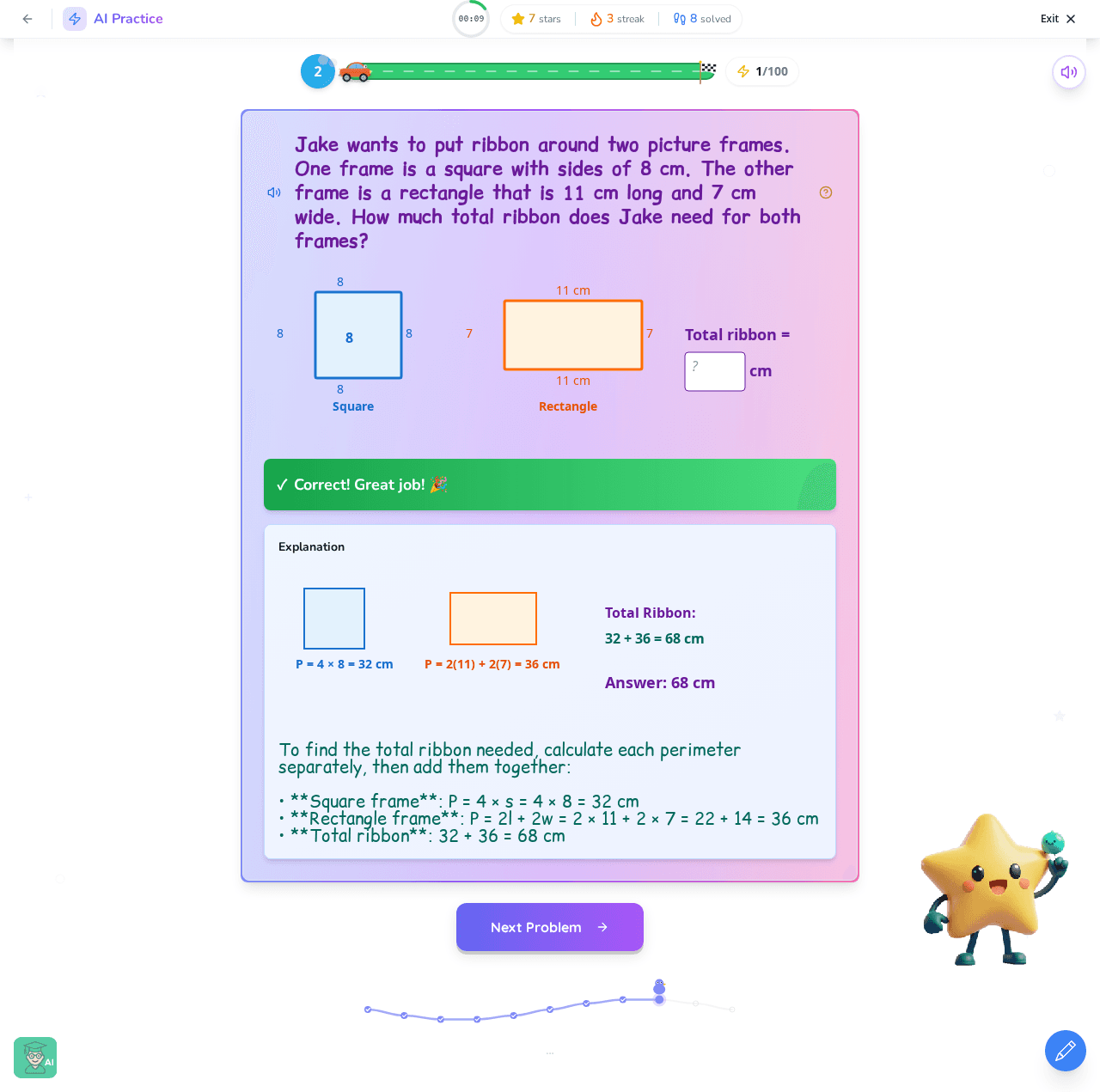
Struggling to explain perimeter to your 3rd or 4th grader? Discover five hands-on activities and simple strategies that make this essential math concept finally click at home.

Place value is the foundation that unlocks all future math success. Discover how base-10 blocks work, simple home activities, and interactive practice to help your 2nd grader master tens and ones.

Discover the simple 'minute hand at 12' secret that makes teaching first graders to tell time surprisingly easy. Practical tips, common mistake fixes, and interactive lessons that work.

Wondering how to teach your kindergartener to tell time? This parent-friendly guide breaks down analog clocks, the hour and minute hands, and fun activities to make learning time a breeze at home.

Feeling stuck when your 5th grader asks for word problem help? Discover the simple 4-step system teachers use to break down complex problems, and learn how to guide your child without giving away the answer.

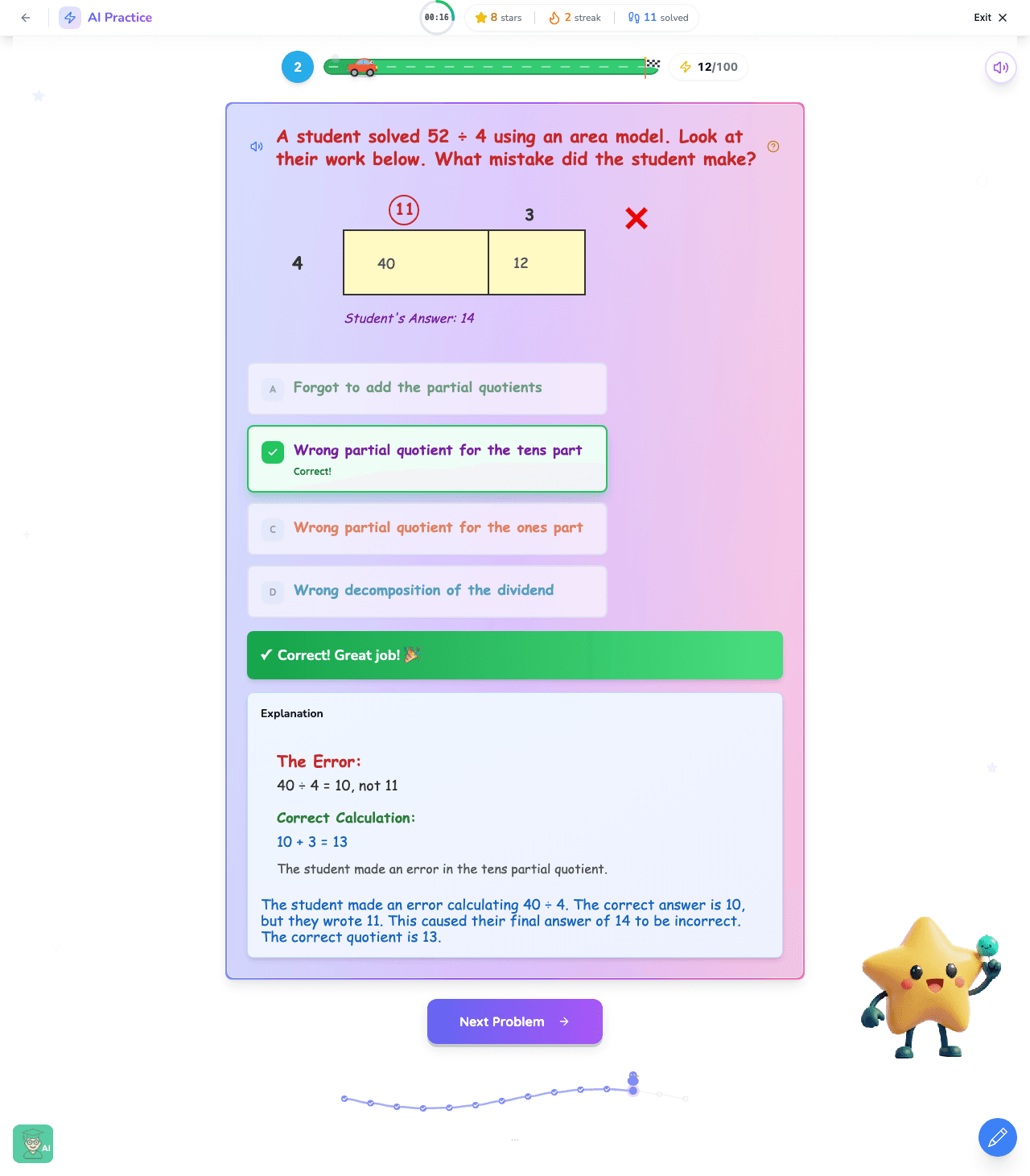
Feeling lost when your 4th grader shows you division homework with rectangles and "partial quotients"? This parent-friendly guide explains area models, remainders, and simple ways to practice at home.

Discover how to teach addition to your kindergartener at home using everyday objects. No worksheets needed, just simple hands-on activities that make math fun and build real understanding.

Struggling to help with your 5th grader's multiplication homework? Learn simple strategies to understand the standard algorithm and support multi-digit multiplication at home.

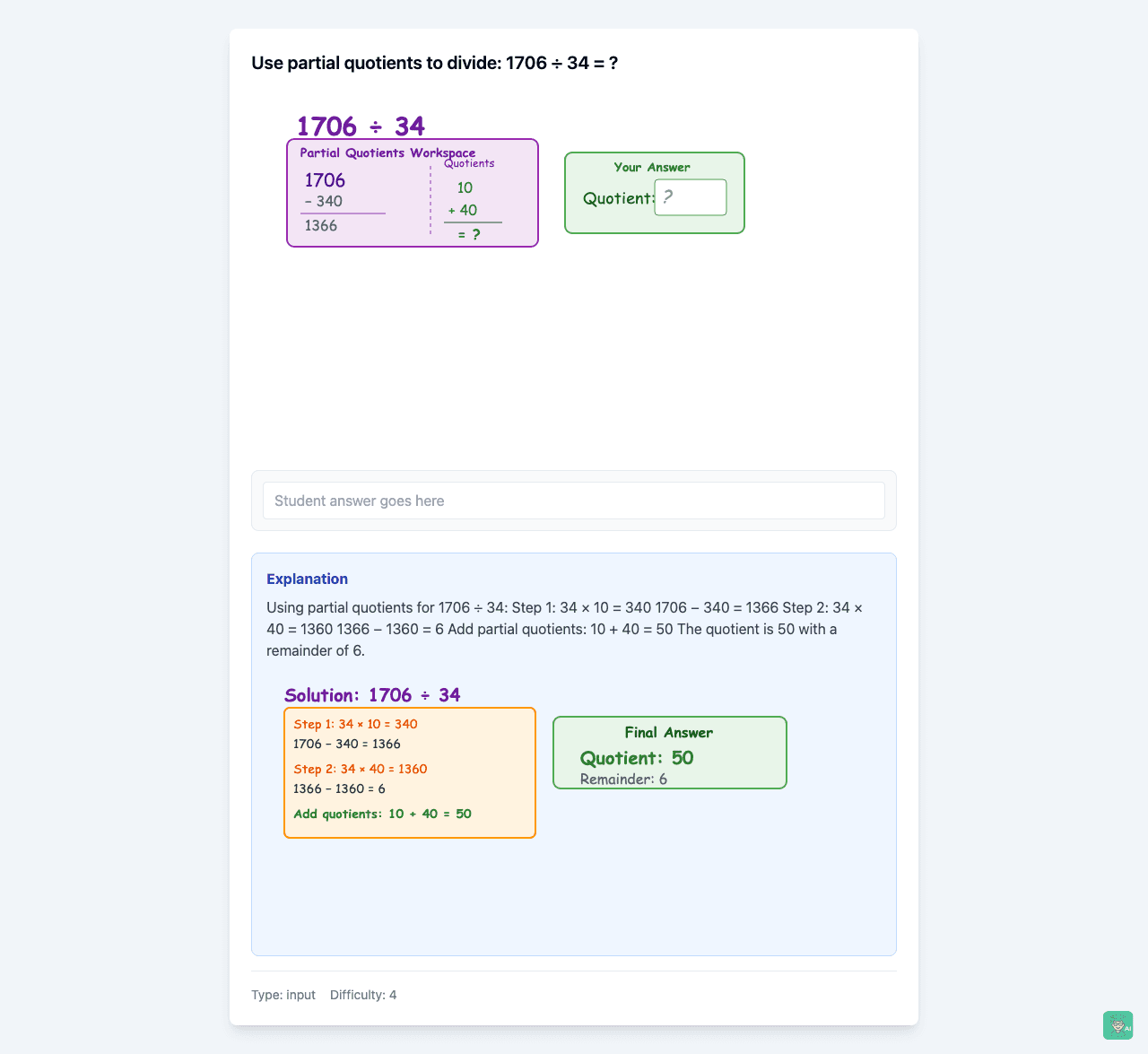
Struggling to help your 5th grader with division homework? Learn the partial quotients method schools teach today and discover practical ways to support without the frustration.
How AI travel bots help children explore global cultures through interactive conversations, immersive learning, and culturally rich experiences right from home.

As AI becomes a daily companion for children, this article explores how to help kids distinguish between real human friendship and the emotional mimicry of machines, fostering empathy and awareness in the digital age.

Turn 60 minutes a week into a repeatable routine that teaches kids AI basics, creative making, and ethical thinking no advanced coding required.

Learn how to help your child become an AI detective spotting deepfakes, edited images, and online misinformation with confidence and curiosity.

Discover how AI Playground Logic transforms learning into play using chat based puzzles that strengthen logic, reasoning, and problem solving skills in children aged 5 to 12.

AI isn’t just for programmers. From art to healthcare, discover five exciting AI-powered career paths kids can explore—no coding required.

Turn snack time into a fun coding lesson! Teach kids algorithms, sequences, loops, and patterns with crackers, fruit, and candy.

Transform everyday family group chats into fun AI generated comics capture humor, preserve memories, and strengthen bonds with simple tools.

Discover how AI is giving new life to traditional puppet shows enhancing creativity, boosting audience engagement, and keeping cultural storytelling alive in a digital world.

A practical, kid friendly guide to designing a simple voice assistant at home plan features, assemble parts, add Python or no code flows, and personalize it together.

Discover how AI tools can transform your child’s drawings into living digital stories, animations, and family keepsakes making creativity fun, lasting, and shareable.

Learn how to craft a personalized family theme song with AI music tools, strengthen bonds, and create lasting traditions without needing music skills.

Discover how AI can transform the traditional time capsule into a living digital vault with photos, voices, and stories that last for generations.

How parents can teach children to build healthy boundaries with technology while learning consent, privacy, and autonomy in a world filled with AI and smart devices.

Discover how AI powered tools can help children understand, name, and regulate emotions turning tantrums into opportunities for learning and growth.

Discover how AI can support kids’ curiosity by answering endless "why" and "how" questions, while parents guide responsible and safe use.

AI is shaping childhood through smart toys, adaptive learning apps, and digital platforms. Learn how parents and educators can guide children to use AI responsibly, protect their privacy, and grow as digital citizens.

Discover how to create an AI powered pet with your family using tools like Teachable Machine and Scratch. Learn, play, and bond while exploring artificial intelligence together.

Transform game night by creating a custom AI hosted quiz using Alexa Skills. Make it fun, educational, and personal for your family.

AI is changing our world fast, but children have unique human strengths creativity, empathy, critical thinking, and collaboration that no robot can replace. Learn how to nurture these superpowers for the future.

AI now curates what kids see, learn, and want. Here’s a practical framework for building family tech rules that go beyond “screen time” to healthy, mindful AI use plus how AIteacherly supports families.

Discover how AI can help transform screen time from mindless scrolling into mindful, intentional digital use. Learn strategies, benefits, and tools for smarter device habits.

Discover how AI tools make language learning engaging, flexible, and personal for the whole family. From gamified lessons to personalized tutors, AI helps families bond while learning new languages together.

Discover how AI tools from storytelling apps to social coaches can boost kids’ verbal fluency, empathy, and confidence while supporting parents and teachers.

AI powered journaling gives children a fun, guided way to reflect, express emotions, and grow creativity. Learn how it supports development and how parents can guide its use.

AI enhanced voice notes let children record fun, creative, and heartfelt messages while giving parents dynamic keepsakes to treasure forever.

Discover how AI can turn family vacation planning into a fun, collaborative, and stress free experience where kids can join in the excitement.

Learn how AI powered smart assistants can make children’s morning routines calmer, more independent, and stress free empowering both kids and parents.

Weird AI answers aren’t just glitches they’re powerful prompts for critical thinking, digital literacy, and empathy. Learn how to turn AI errors into teachable moments at home and in class, and how AIteacherly helps.

Smart toys, voice assistants, and AI powered apps are entering nurseries and classrooms. Learn about the benefits, risks, and how to make safe choices for kids.

AI tutors are transforming classrooms with personalized pathways, instant feedback, and teacher support. Learn how AIteacherly brings this vision to life today.

Discover how AI tutors can bridge readiness gaps and set students up for learning success from the very first day of school.

AI tutors are transforming education by closing learning gaps, providing personalized support, and ensuring no student is left behind.

Discover how AI can provide gentle, helpful feedback to young artists, fostering self awareness, creativity, and confidence without pressure or judgment.

Shy kids often struggle to express themselves. AI tools offer a judgment-free space for creative exploration, helping children find their voice and confidence.

AI companions are transforming imaginative play. Discover how interactive robots help boost storytelling, problem solving, and emotional growth for kids.

AI Playdates turn screen time into shared creativity. Learn how kids can collaborate with each other and smart tools for fun, skills, and future readiness.

AI tools are transforming music creation. Learn how beginners can compose full songs using tools like Google’s Tone Transfer no expensive gear or lessons needed.

Learn how AI tools help kids transform their everyday photos into comic book adventures, boosting creativity and digital skills while keeping things fun and safe.

Young creators are now making intelligent games using AI starter kits. This guide explores how kids can learn coding, machine learning, and game design all at once.

Discover how AI can help parents and kids co create personalized, magical, and educational bedtime stories that spark connection and imagination.

AI isn’t just for automation it can help teach fairness, ethics, and empathy. Learn how developers and educators can build values driven technology for a more human future.

Explore how to raise future-ready children in an AI world. Learn how coding, ethics, and creativity can prepare kids to lead tomorrow’s innovations.

Explore how families can use AI to assist with chores while teaching kids responsibility. Let your children be part of the decision in this thoughtful, tech-savvy debate.

Discover how AI is transforming family game nights with smarter board games, interactive trivia apps, and fun ways to bond and learn together.

Help your kids stay safe, kind, and smart in the AI age by teaching values, critical thinking, and emotional intelligence before tech does.

Explore how AI can bring siblings closer through collaborative, educational, and fun tech driven activities that foster teamwork and reduce passive screen time.

Explore hands-on AI projects that bring families together featuring beginner friendly coding, voice assistants, image recognition, and ethical AI lessons.

Help kids spot AI-generated media and think critically about deepfakes. A must read for digital parenting in the age of AI.

Discover how to track and support children’s AI literacy development using smart tools, age-appropriate strategies, and ethical awareness.

Explore how a whole-child approach to AI literacy helps kids develop empathy, creativity, and moral thinking alongside tech skills.

Discover how creative AI tools are unlocking new ways for kids and educators to explore stories, music, and STEM—with practical tips, tools, and inspiration.

Discover how kids can boost creativity and communication by learning to talk to AI through prompt engineering.

Discover how AI is reshaping coding education for elementary and middle school students, unlocking new ways to nurture young tech innovators.

Discover how AI-powered education tools like AIteacherly personalize your child learning journey through smart data and adaptive teaching.

Turn “I hate math” into “I can do this!” with practical strategies to rebuild your child’s confidence, spark interest, and make learning fun again.

See how AIteacherly.com turns math homework battles into confident, step by step wins for kids aged 5–14 with real time help and zero frustration.

See how AIteacherly.com helps homeschool parents plan lessons, personalise instruction, and keep kids excited about learning without extra stress.

Discover what AI tutors are, why they boost engagement and results for kids 6-14, and how to set up safe, effective sessions with AIteacherly.com.

Discover how AI-powered platforms like AIteacherly.com give every student a custom learning path while freeing teachers to mentor and create.

Trace the journey of education from blackboards to bots and see how today’s tech is personalizing learning, easing workloads, and reshaping the future of schooling.

A practical guide to building AI-ready classrooms from core literacy and teacher training to ethics, assessment, and FAQs.

How schools and families can introduce AI safely and meaningfully without losing sight of child development, ethics, or creativity.

See how kid-friendly AI tools can turn worksheets into interactive stories, music mixes, adaptive lessons, and real-time progress reports.

Replace rote worksheets with writing robots, art generators, math coaches, backyard science chats, and virtual field trips perfect for ages 6-14.

Upgrade pool days and park trips with AI-powered art, writing, science, and math adventures that keep curiosity alive all season long.

AI tools are shaping how children learn and play but are they safe? Learn how to create secure, empowering experiences for young digital users.

Discover how AI can support healthy, screen-free bedtime routines through storytelling, smart environments, and relaxation tools.

AI tutors are turning stressful homework time into a smooth and confidence building part of the day. Here’s how families are finding calm after school.

Discover how children can start creating their own AI projects using fun tools, coding basics, and supportive family activities. Perfect for curious minds and modern parents.

Find out how to choose safe, fun, and educational AI tools for your kids without the overwhelm. Learn what to look for and how to keep tech use healthy and helpful.

Fun and thoughtful AI questions to spark meaningful family discussions and teach kids ethics, responsibility, and critical thinking at the dinner table.

Exploring how AI tools support children’s emotional growth and empathy development with insights for parents, educators, and developers.

Explore how AI-powered tutors are transforming education by making learning more personalized, engaging, and accessible for every student.

Early prep with AIteacherly.com gives kids personalised practice, boosts confidence, and makes back-to-school smoother for everyone.